Dark Oak Engineered Flooring: Rich, Elegant and Timeless Timber Tones

What Is Dark Oak Engineered Flooring?

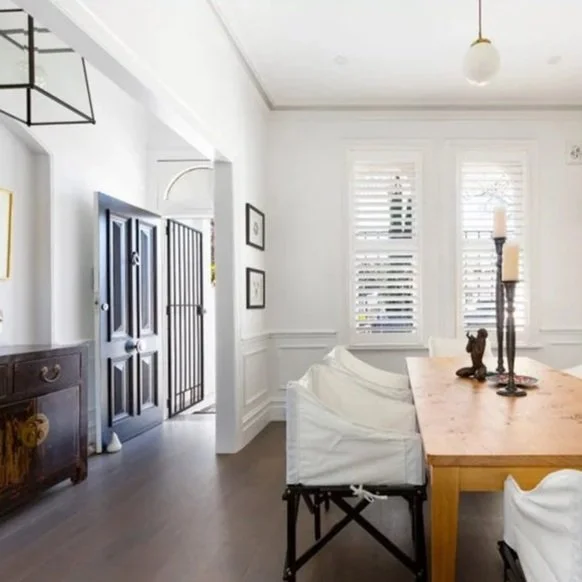
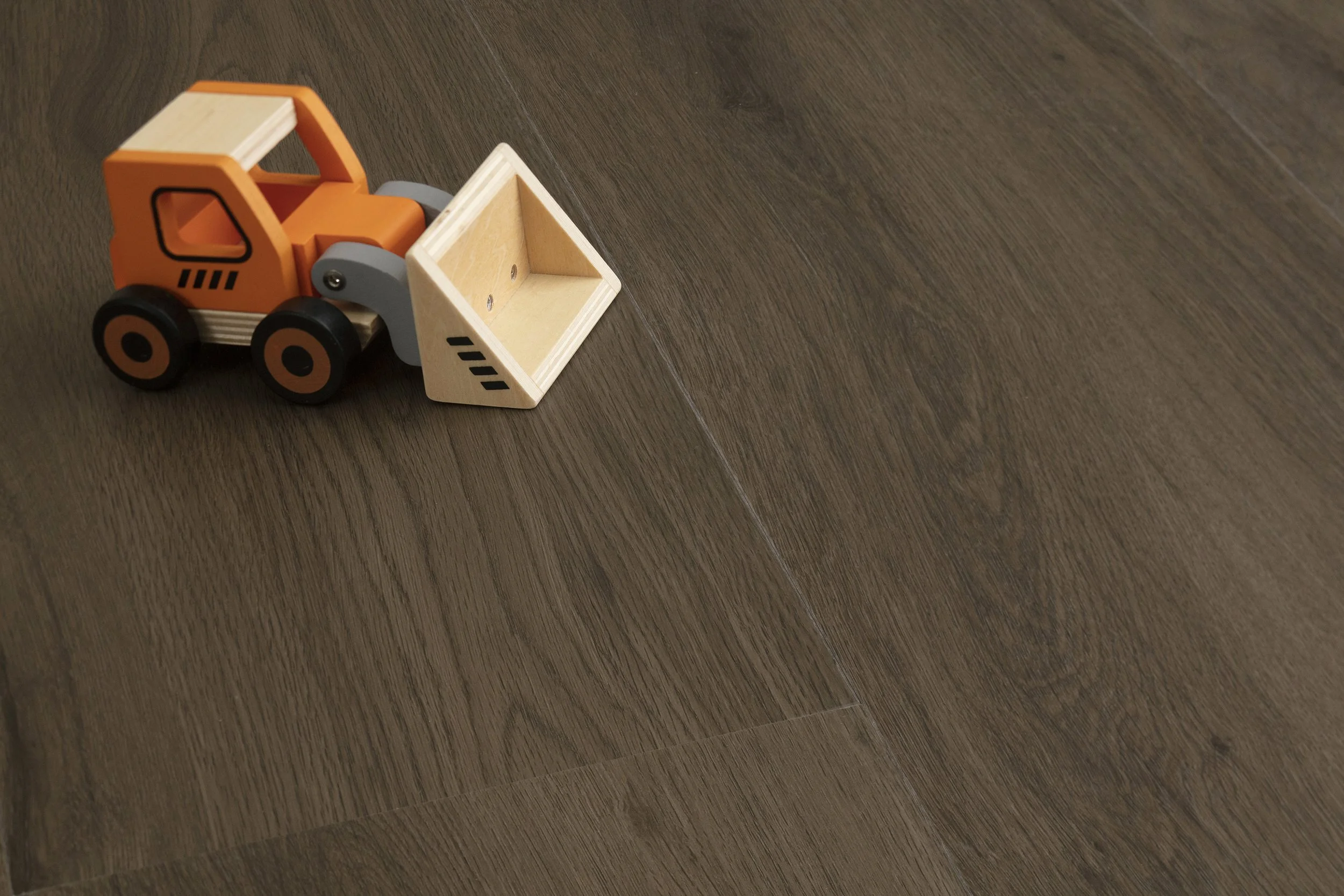
Dark oak engineered flooring is made with a real oak surface layer over a stable engineered core. It offers the natural grain, texture and warmth of oak, with improved stability compared with traditional solid timber flooring.

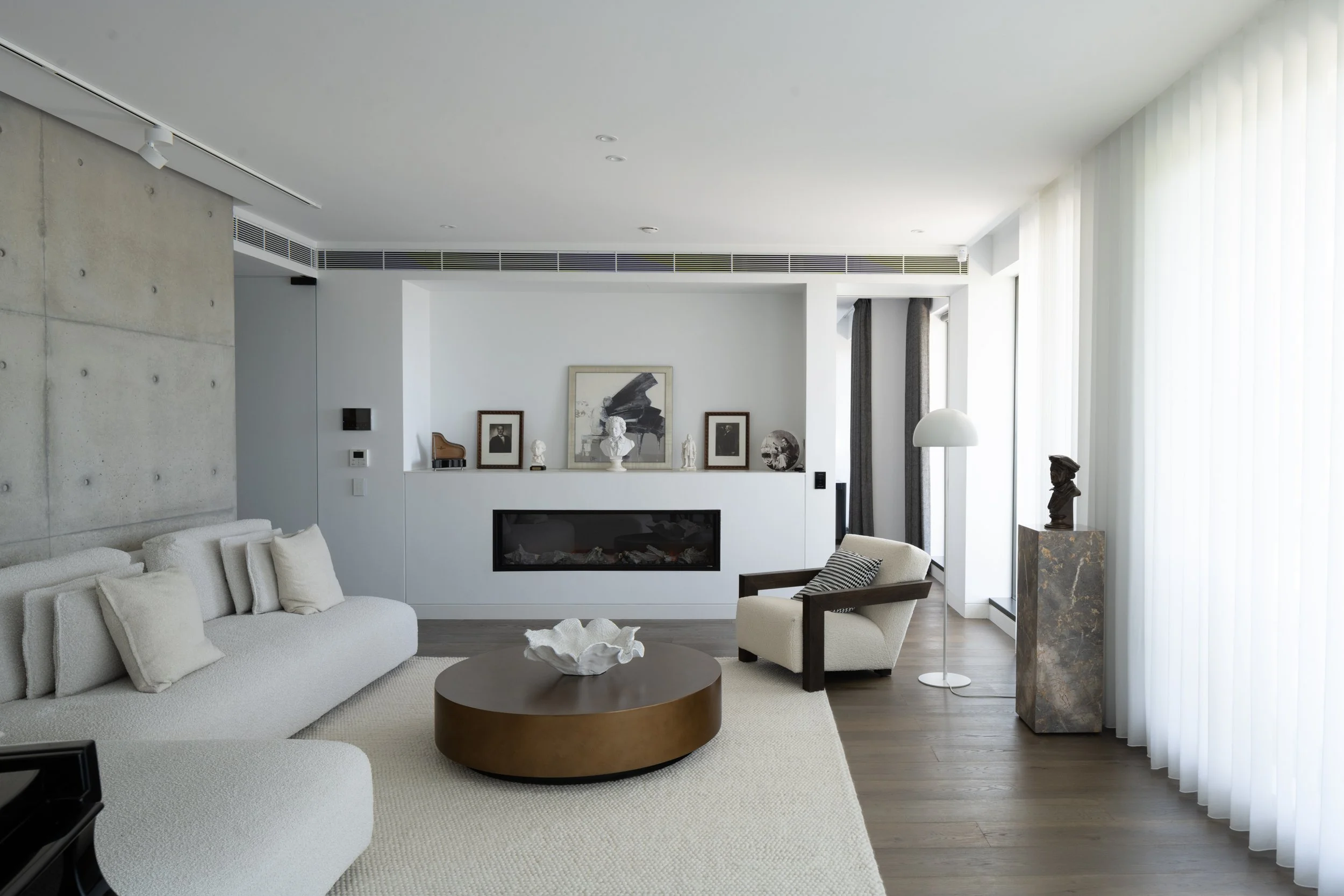
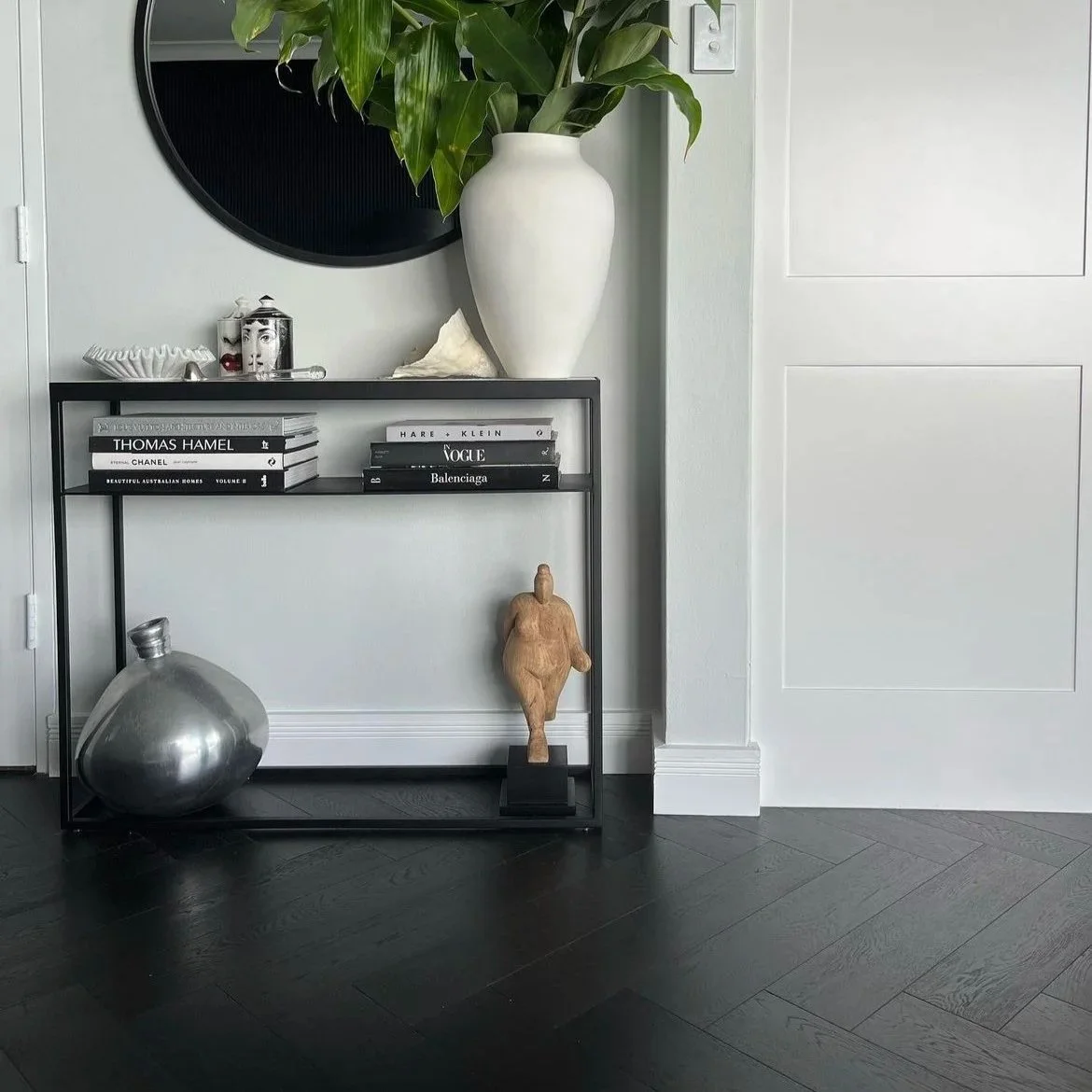
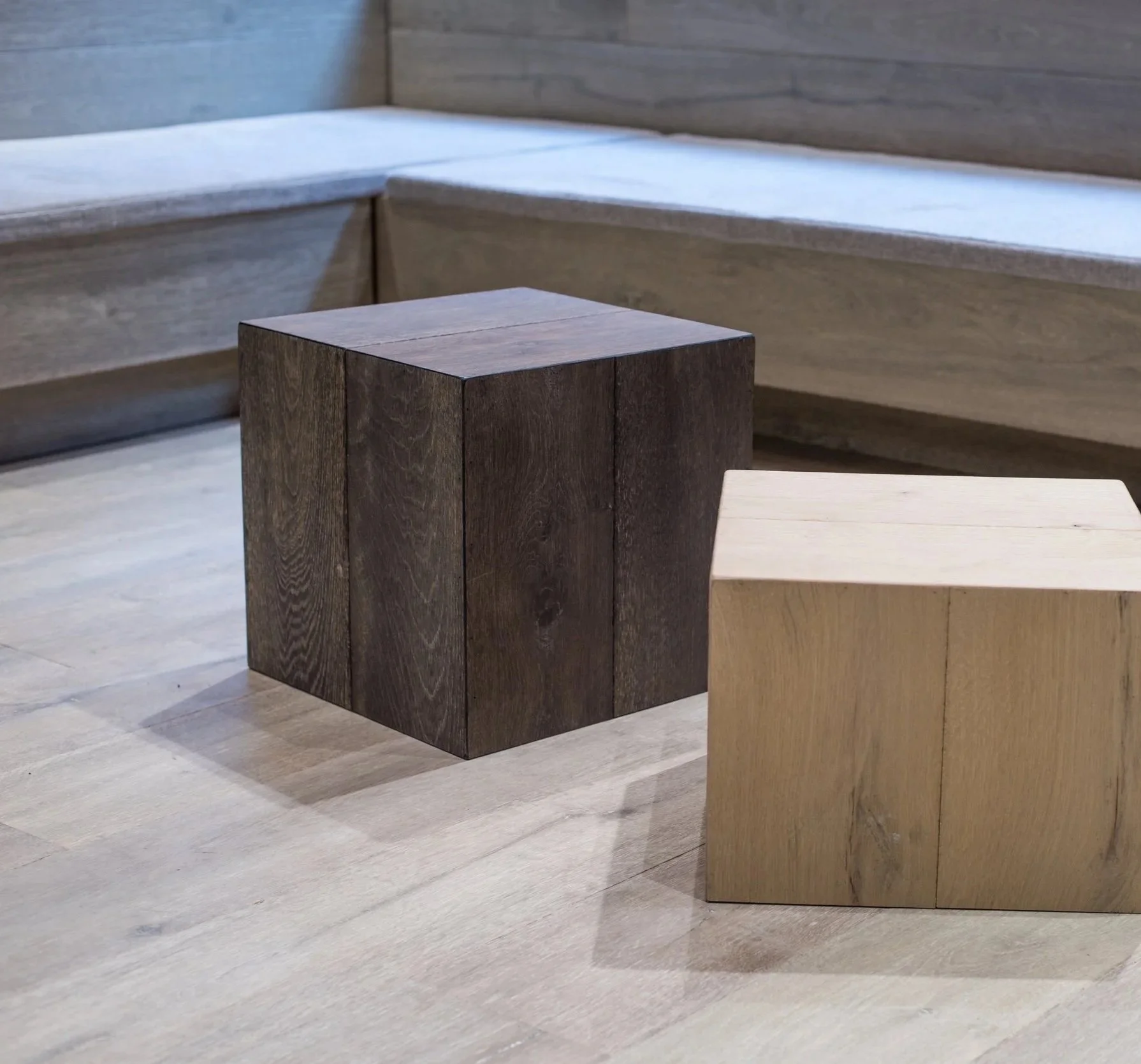
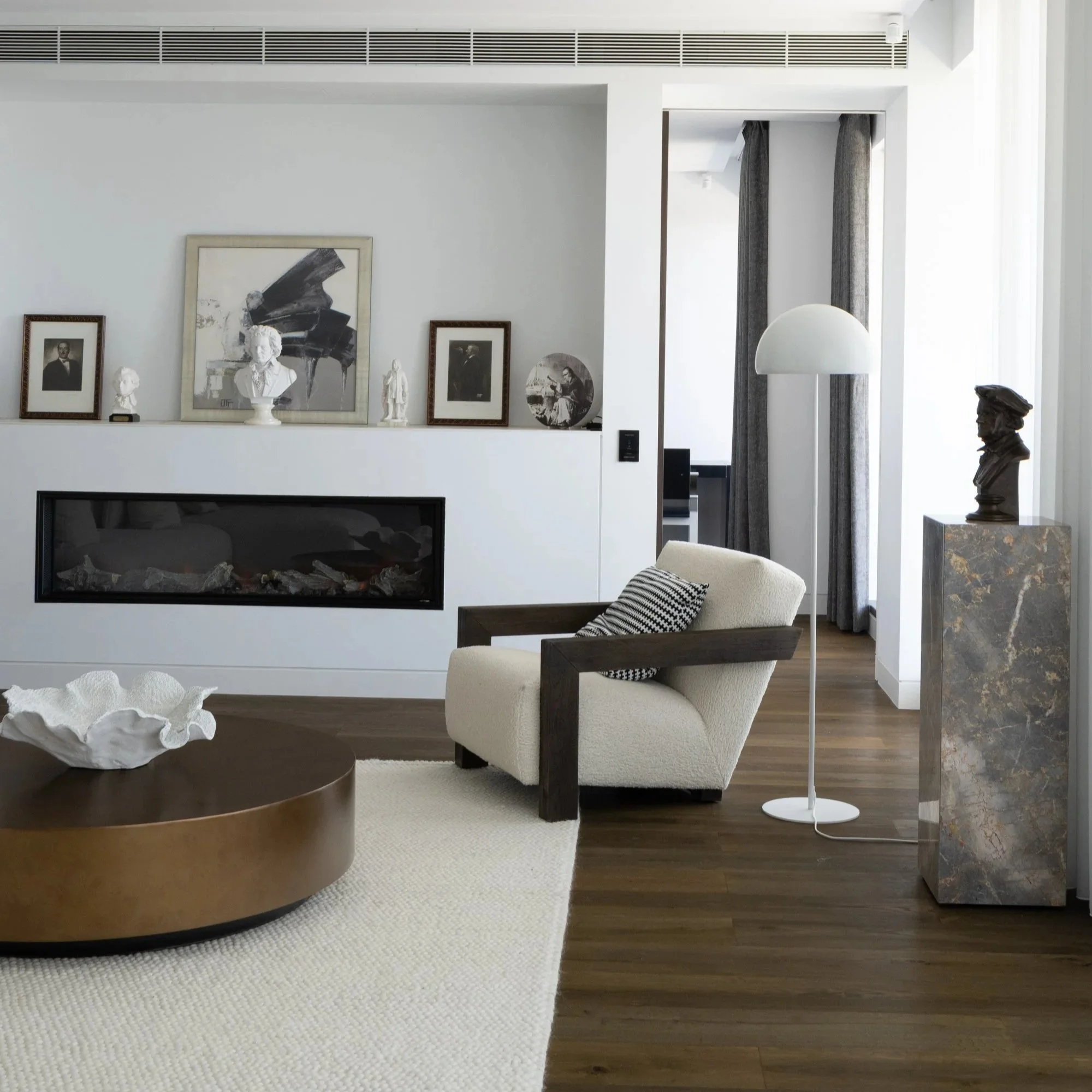
Dark oak tones can range from warm brown and smoked oak to deeper chocolate and espresso shades. These richer colours add depth, warmth and a grounded elegance to the space.


Does Dark Oak Make a Space Feel Smaller?

Dark oak flooring can make a room feel more intimate and grounded, but it does not necessarily make a space feel small. The overall effect depends on the room size, natural light, wall colour, ceiling height and furniture selection.

In larger rooms and open-plan spaces, dark oak can add richness and balance. In smaller or darker rooms, it is usually best paired with lighter walls, soft furnishings and good lighting to keep the space feeling open and comfortable.


For more inspiration, visit our project page to see how oak flooring colours are used across completed homes,

renovations, and interior design projects.


Is Dark Oak Flooring Harder to Maintain?

Dark oak flooring can look beautiful, but it may show dust, pet hair, footprints and surface scratches more clearly than lighter oak tones. This does not mean it is difficult to maintain, but it may require more regular cleaning to keep it looking its best.


Dark Oak in Wide Boards, Herringbone and Chevron

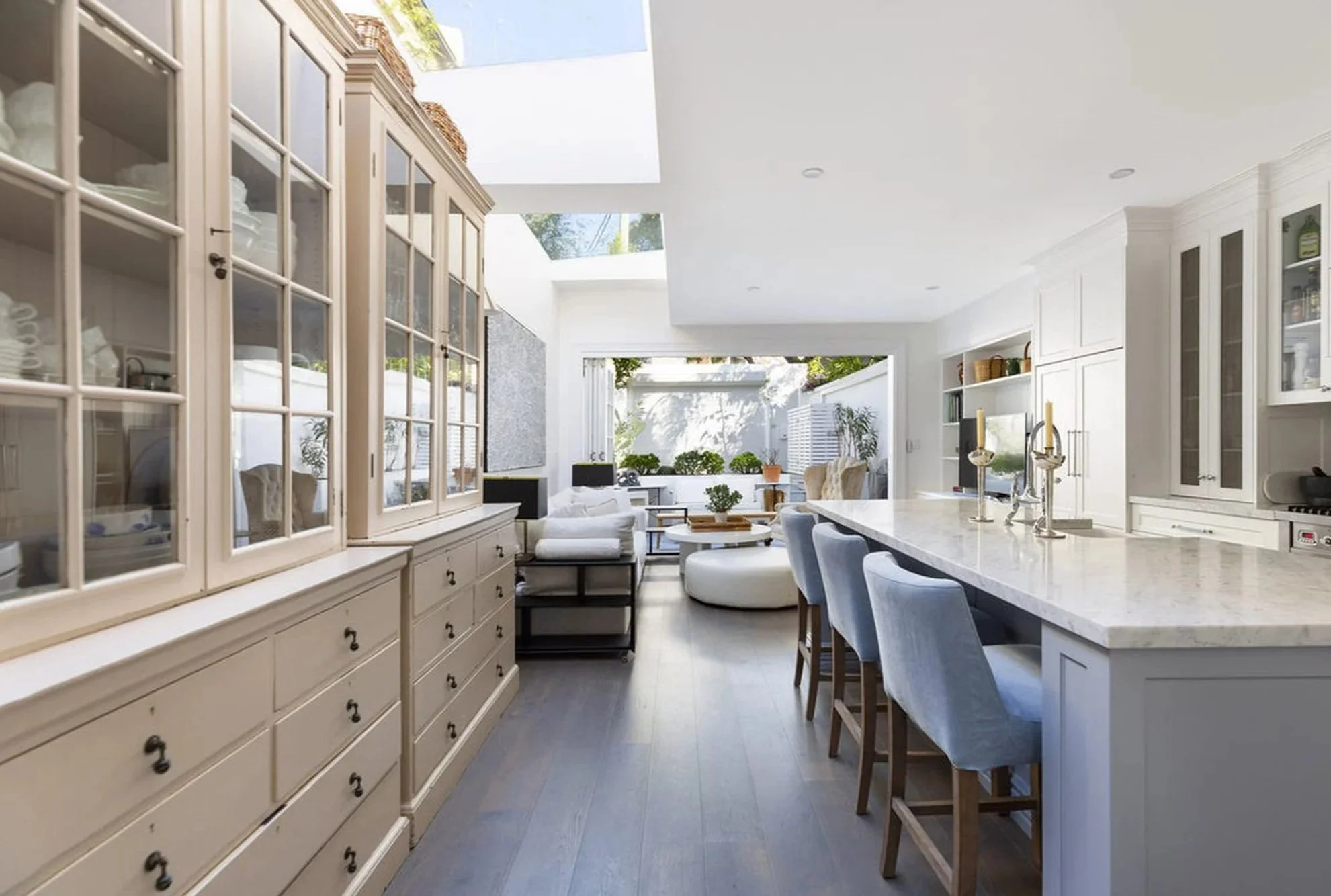
Dark oak flooring can create very different moods depending on the format you choose.

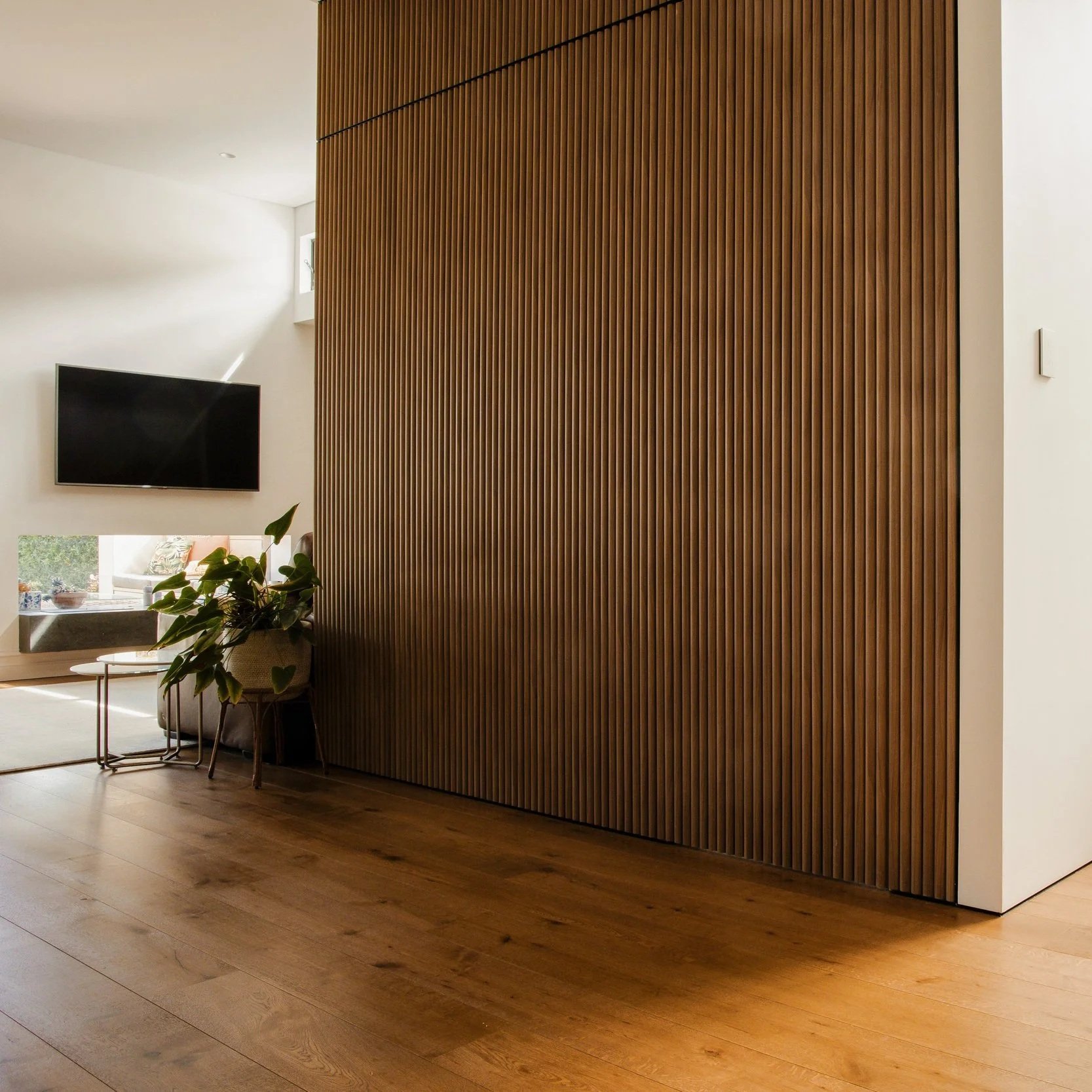
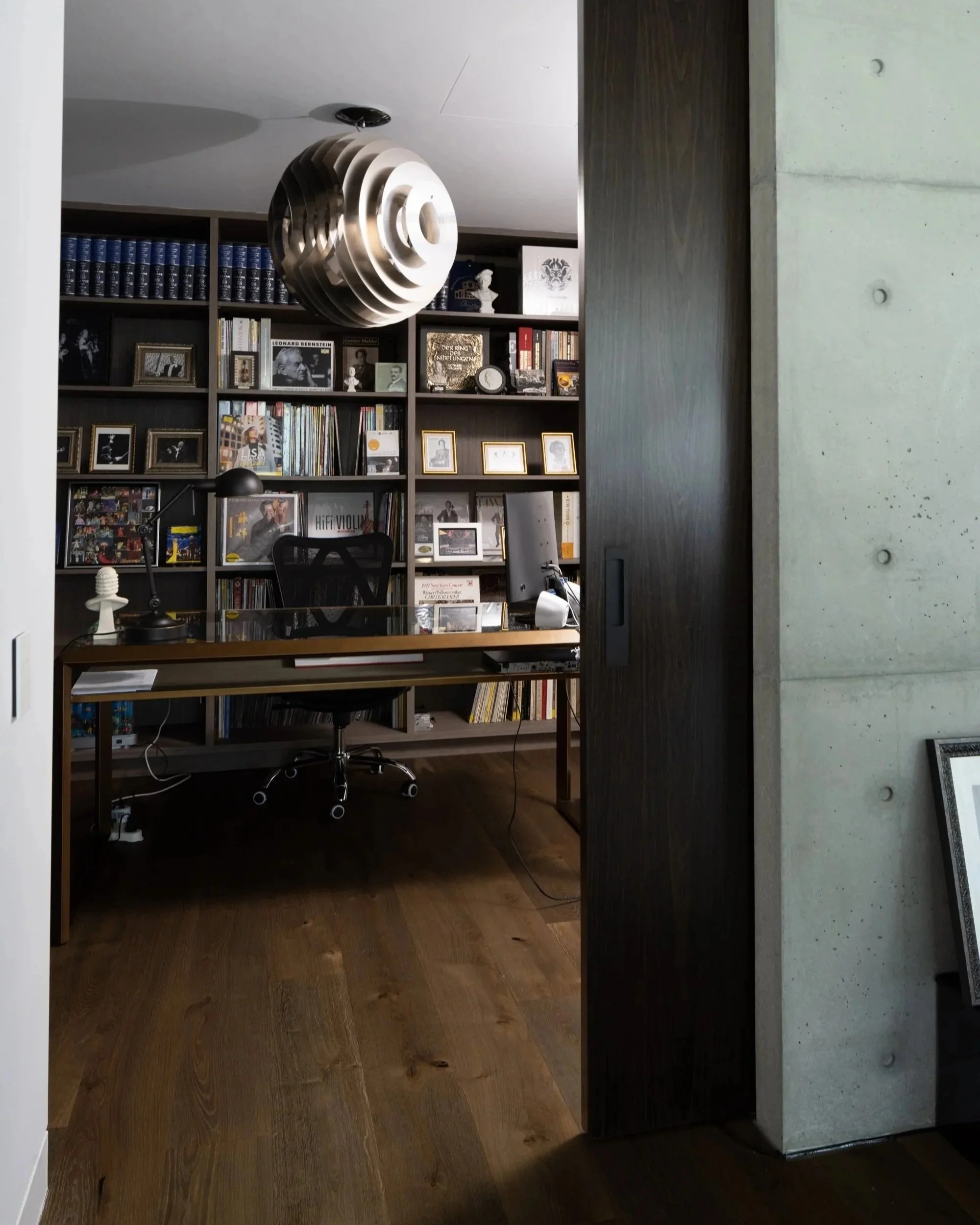
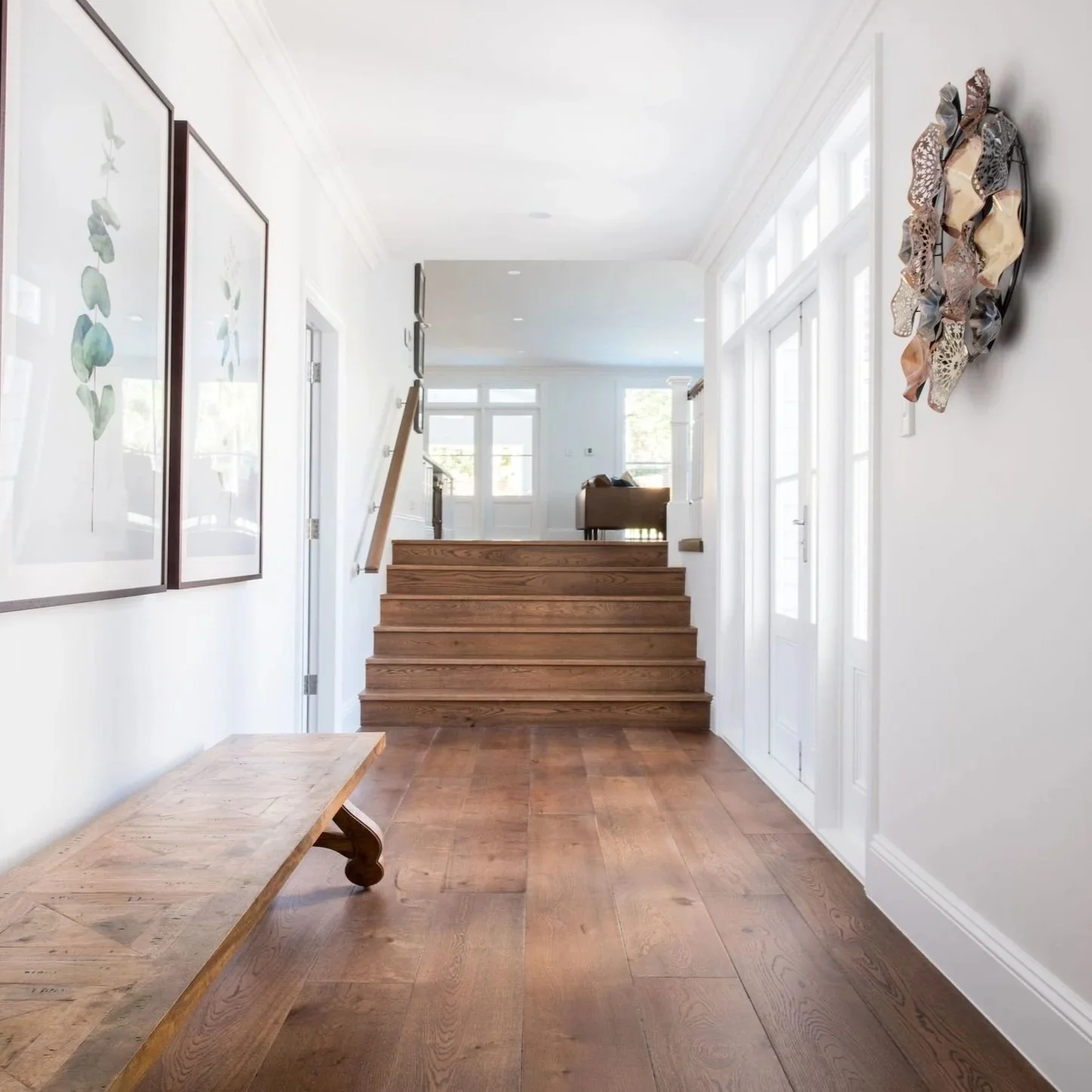
In wide boards, dark oak feels calm, bold, and expansive. The deeper tone gives the room weight and presence, while the wider plank format keeps the overall look clean and seamless. It is especially beautiful in open-plan living areas where the floor can become a quiet but powerful design foundation.

In herringbone, dark oak becomes more decorative and layered. The pattern adds rhythm, movement, and a sense of craftsmanship, making it ideal for spaces where the floor is intended to be a feature rather than just a background surface.

Chevron dark oak creates a sharper and more architectural look. Its directional pattern can guide the eye through the room, adding structure, elegance, and visual energy to the space.

View our full engineered oak flooring collection to compare colours, finishes, textures, and plank sizes for your project.


Looking for dark oak engineered flooring for your project?

Visit our showroom, request samples or speak with our team to compare dark oak colours, finishes, textures, wide boards, herringbone and chevron flooring options.

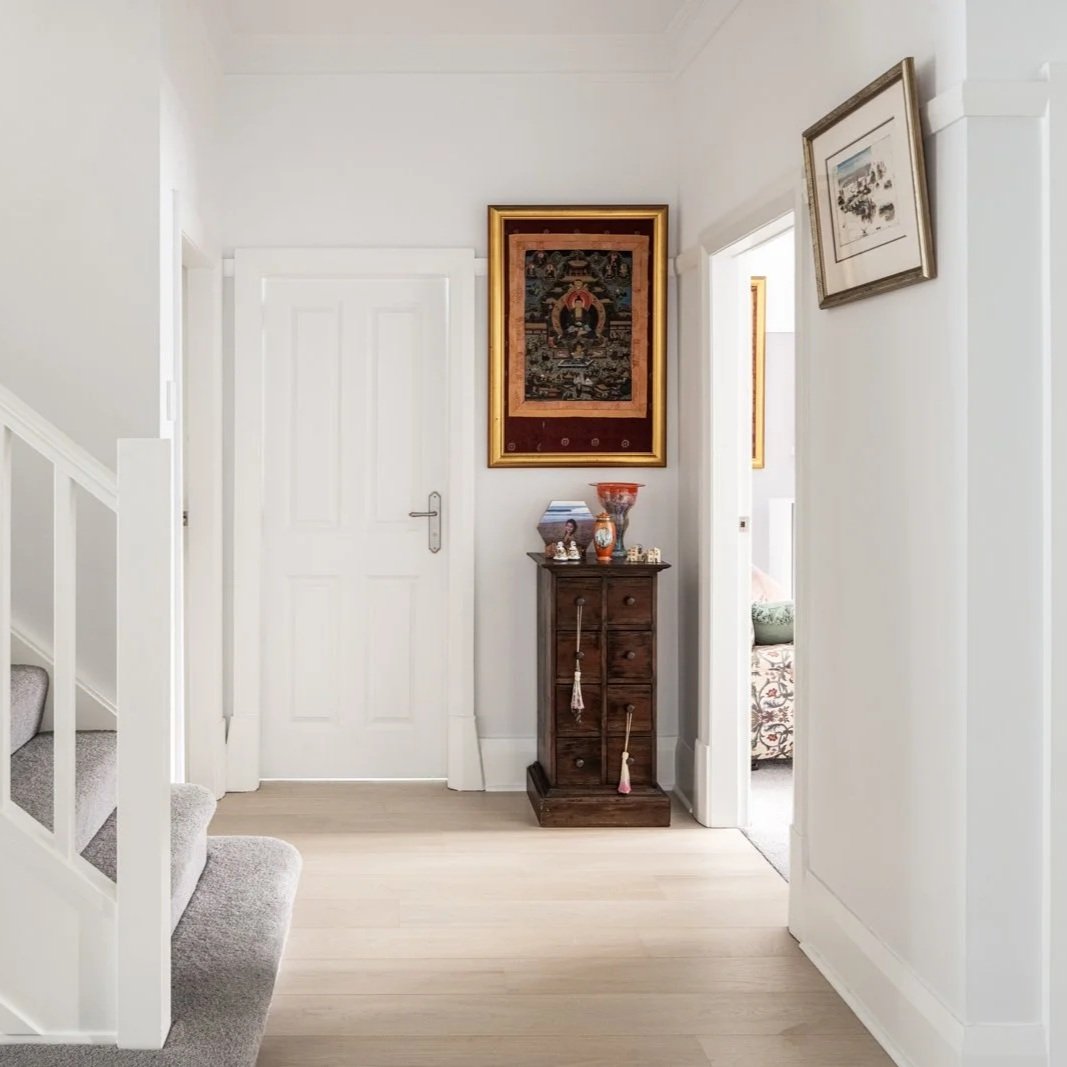
Light Oak Engineered Flooring

What Is Light Oak Engineered Flooring?

Light oak engineered flooring is made with a real oak surface layer over a stable engineered core. 

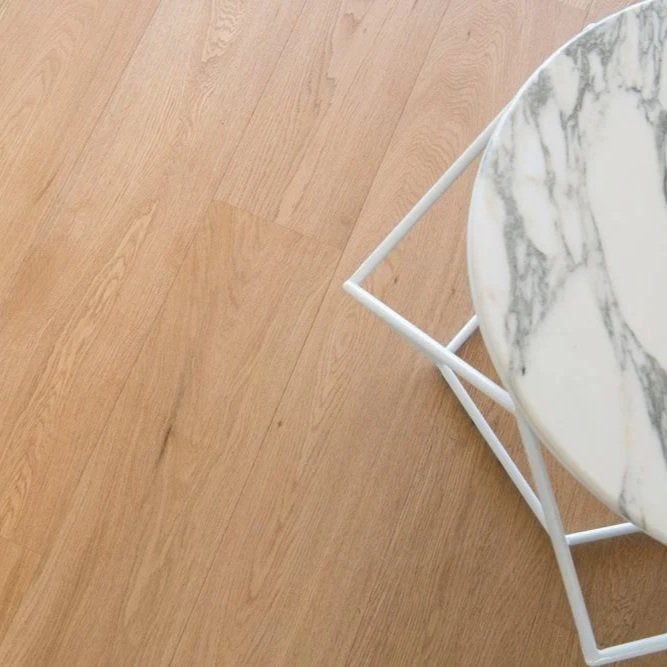
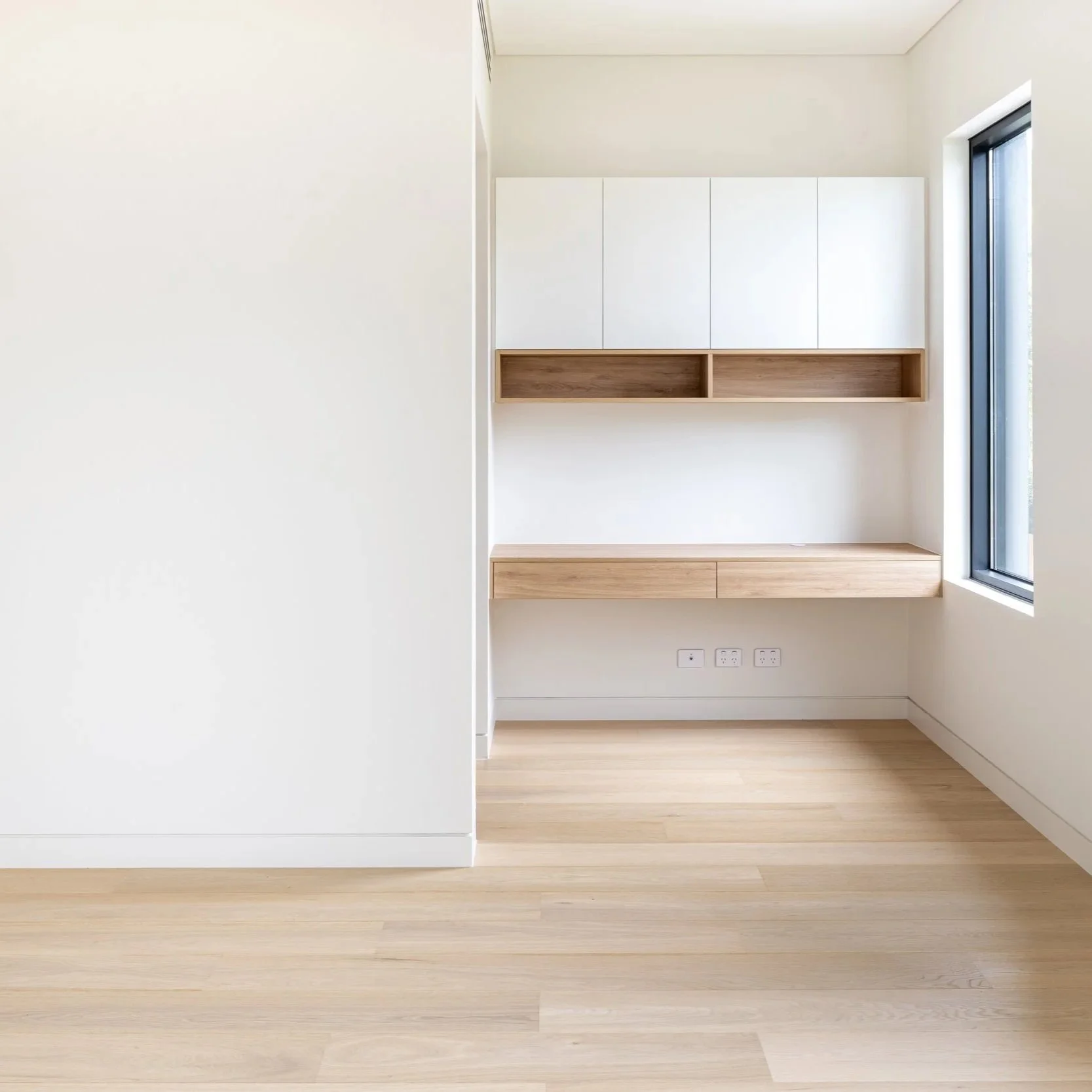
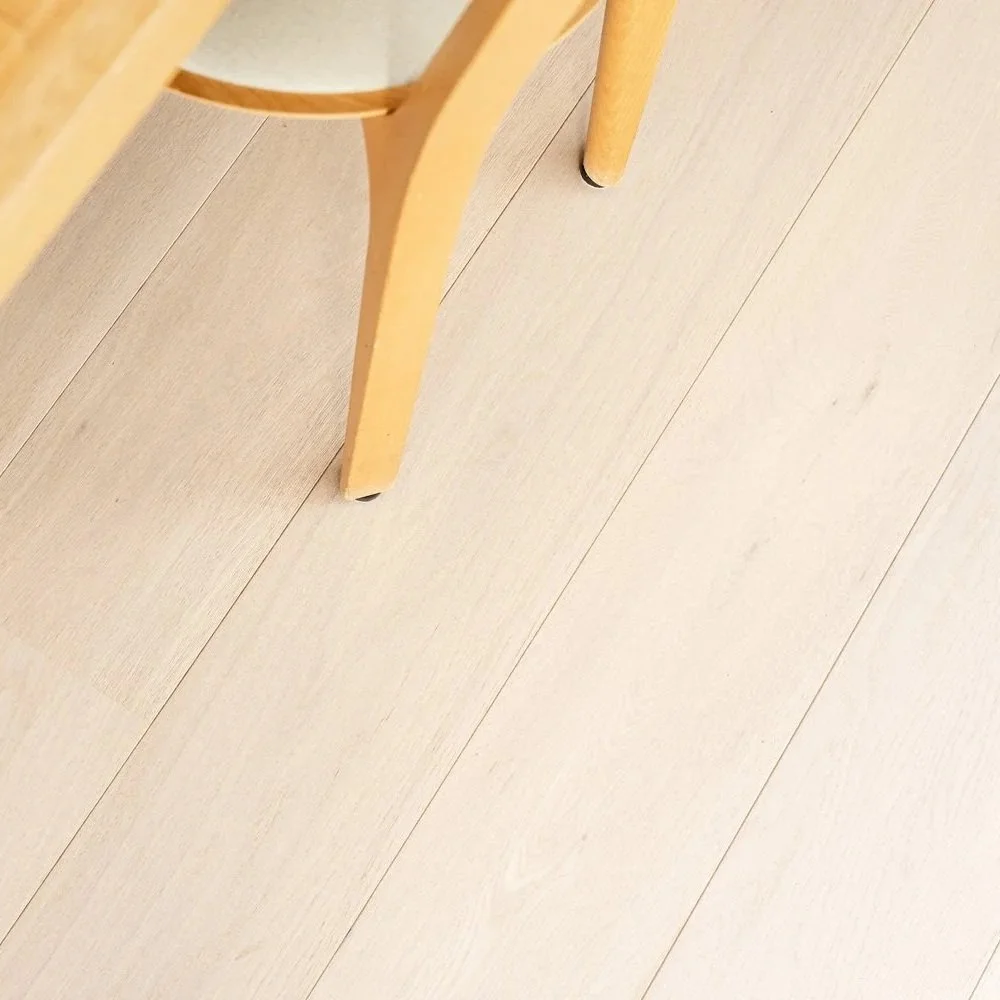
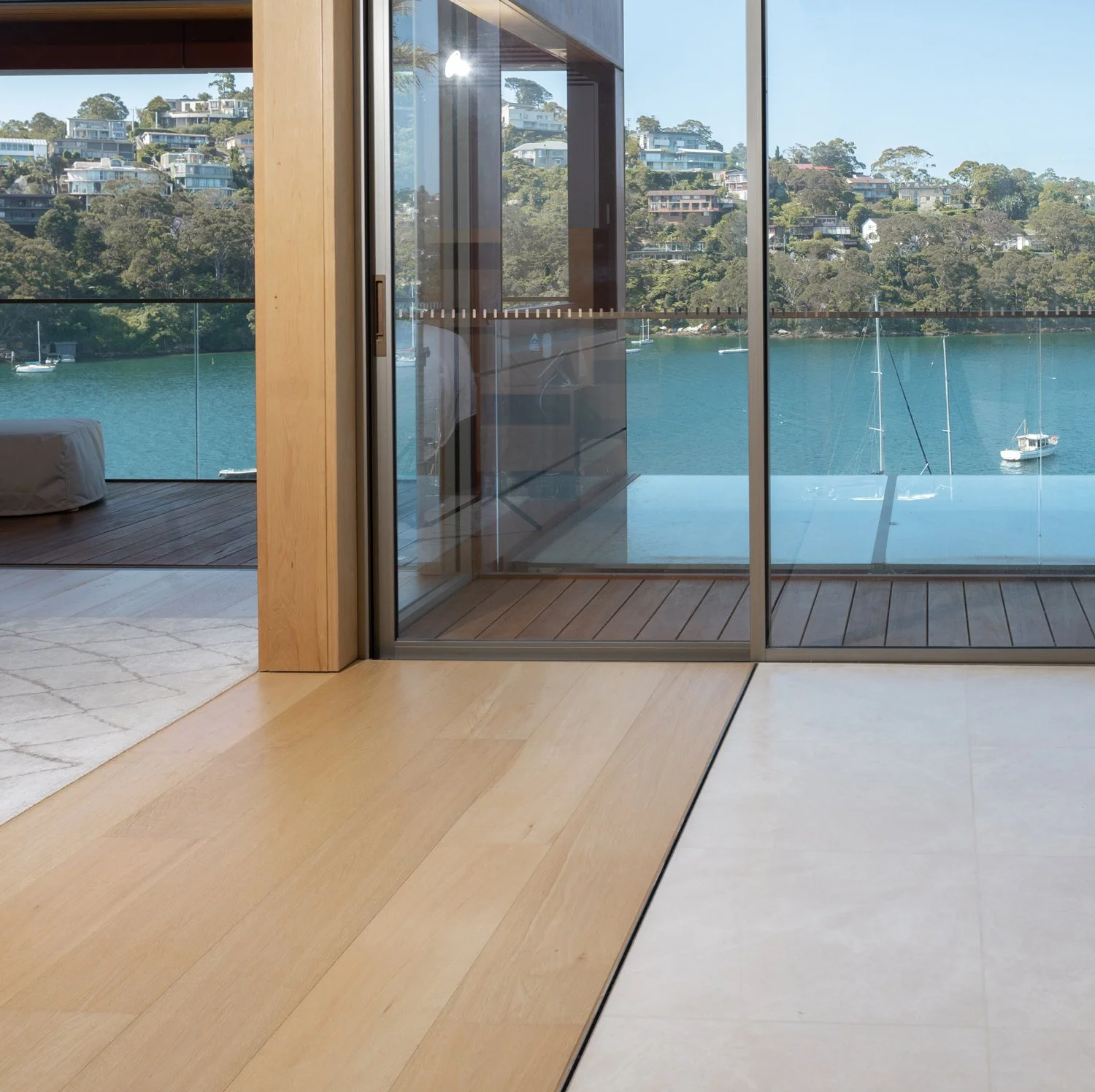
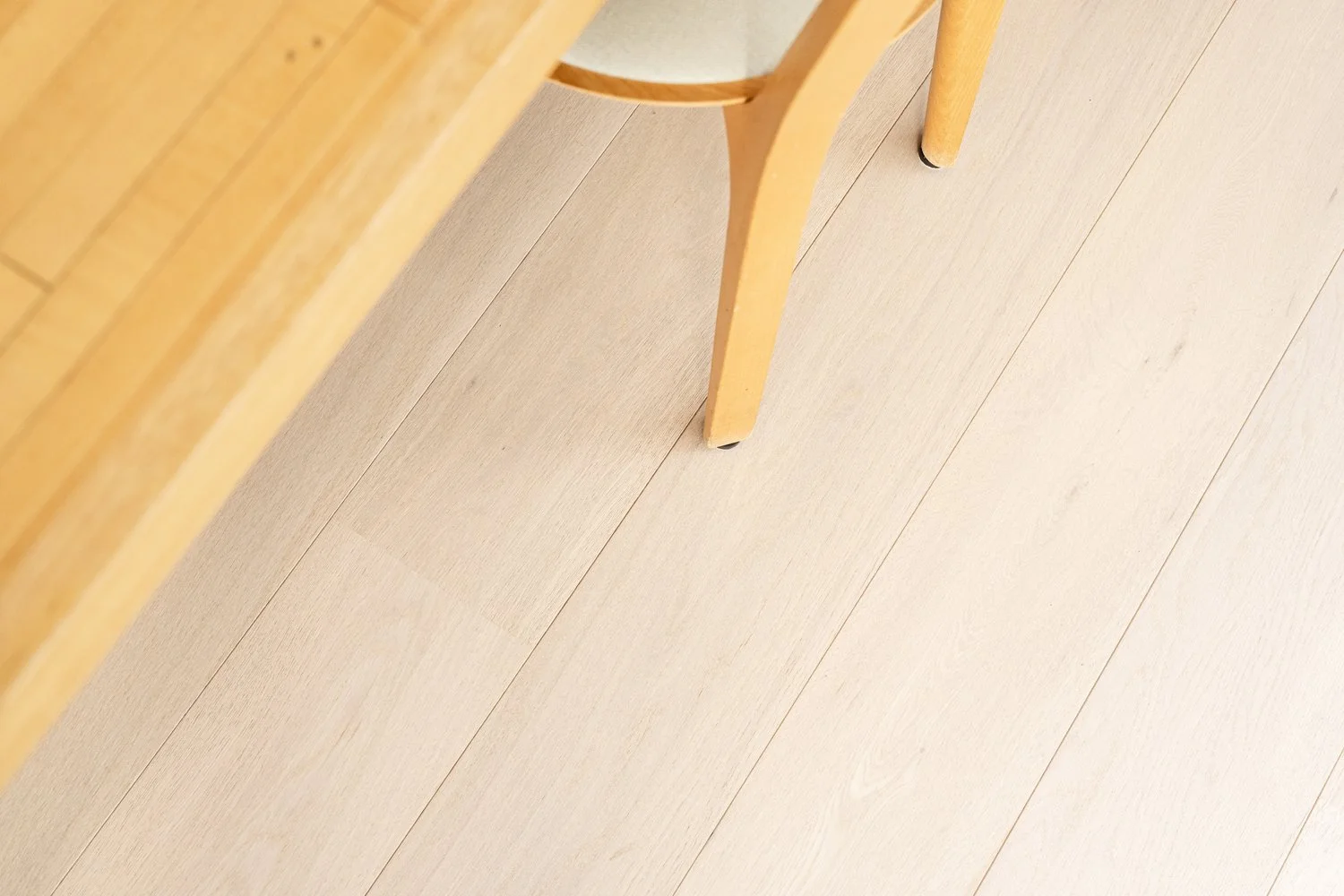
Light oak colours can include natural oak, pale oak, blonde oak, soft beige oak, and lightly whitewashed oak tones. Because oak is a natural material, each plank will have its own grain pattern, colour variation, and character. This natural variation is part of what gives engineered oak flooring its authentic and premium look.


Why Light Oak Is Popular in Sydney Homes

Light oak flooring brings a fresh, uplifting feel to any interior. At Aspire Floors, our engineered light oak flooring is crafted from high-quality sustainable European oak, designed to highlight the timber’s natural warmth, soft grain, and organic tones.

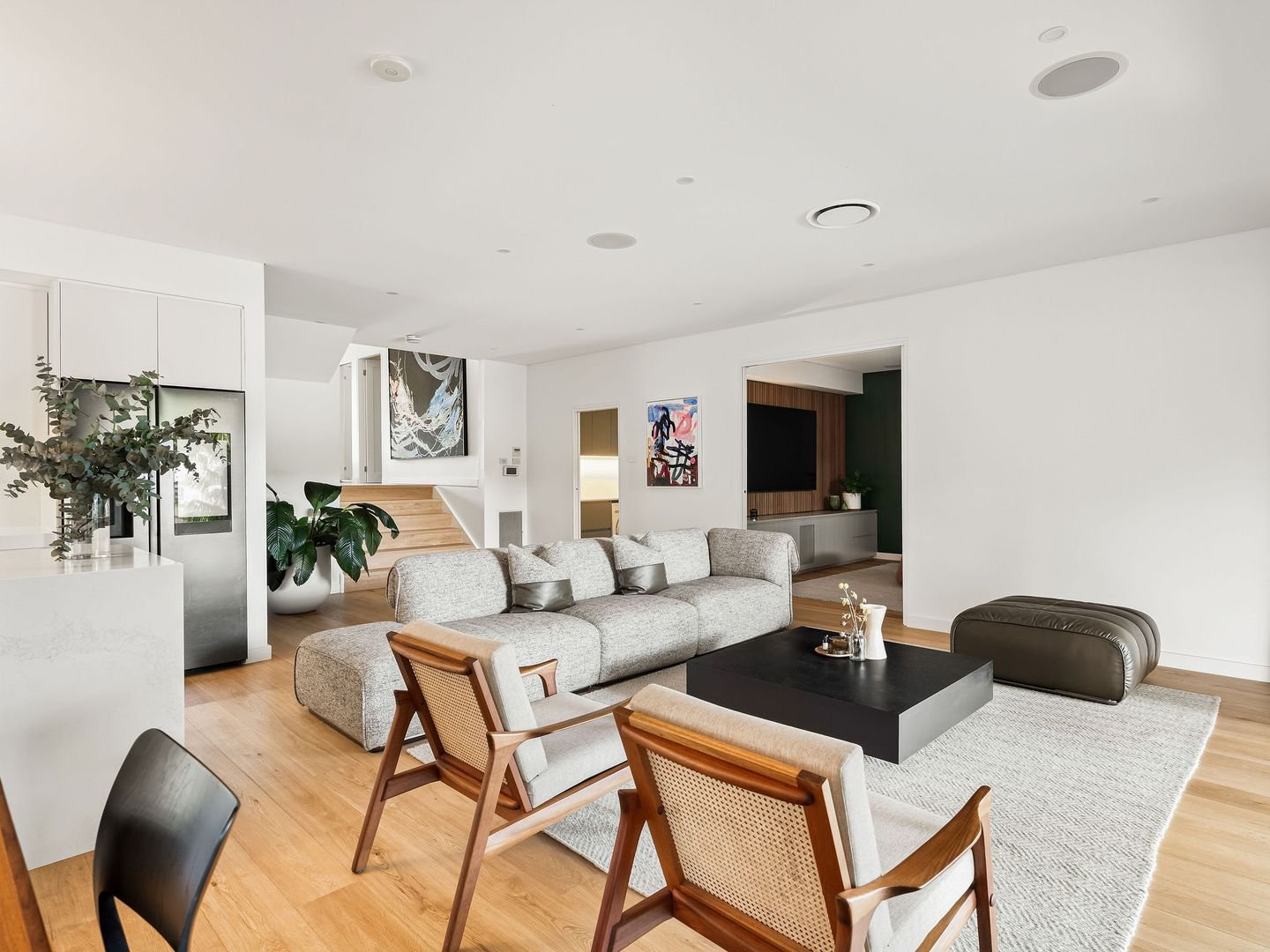
Whether you are creating a sense of coastal calm, Scandinavian minimalism, or understated luxury, light oak offers a timeless foundation that makes a space feel brighter, softer, and more open.

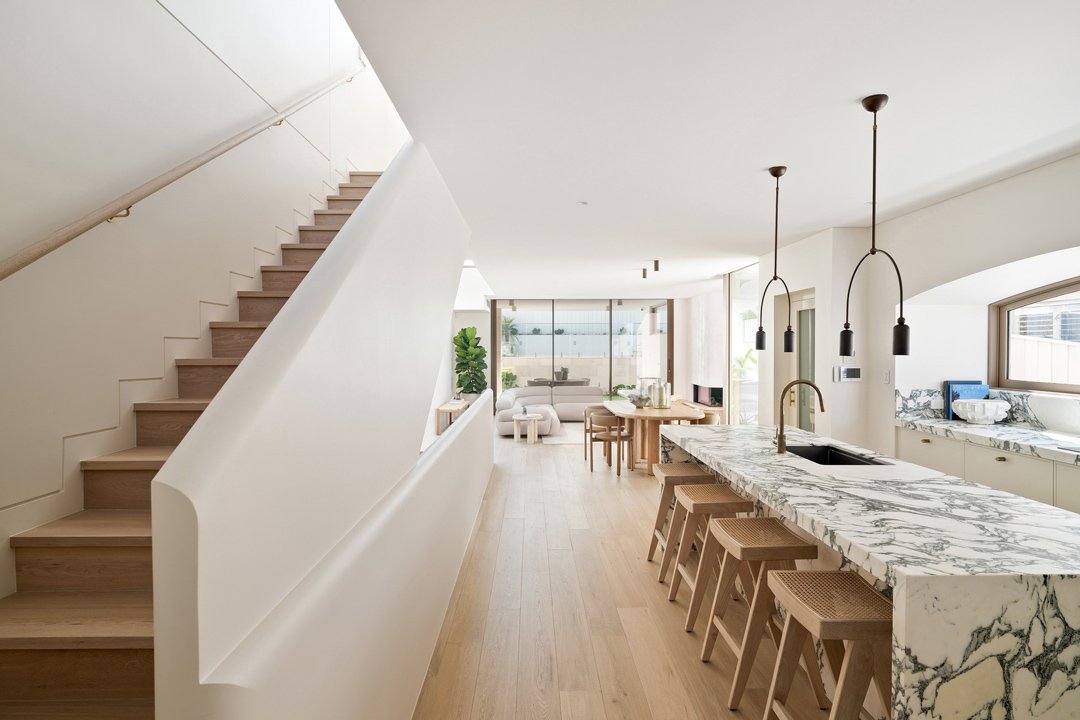
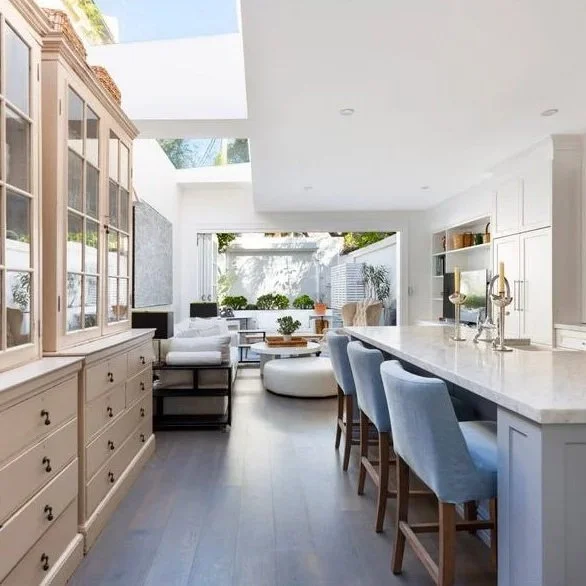
Because lighter tones reflect more natural light, they can help visually expand apartments, narrow hallways, smaller rooms, and open-plan living areas. Wide board light oak flooring can enhance this effect even further, creating fewer visual breaks and a more seamless, calming flow throughout the home.


Light Oak in Herringbone, Chevron and Wide Boards

At Aspire Floors Light oak engineered flooring is available in a range of formats, including straight boards, herringbone, and chevron patterns.

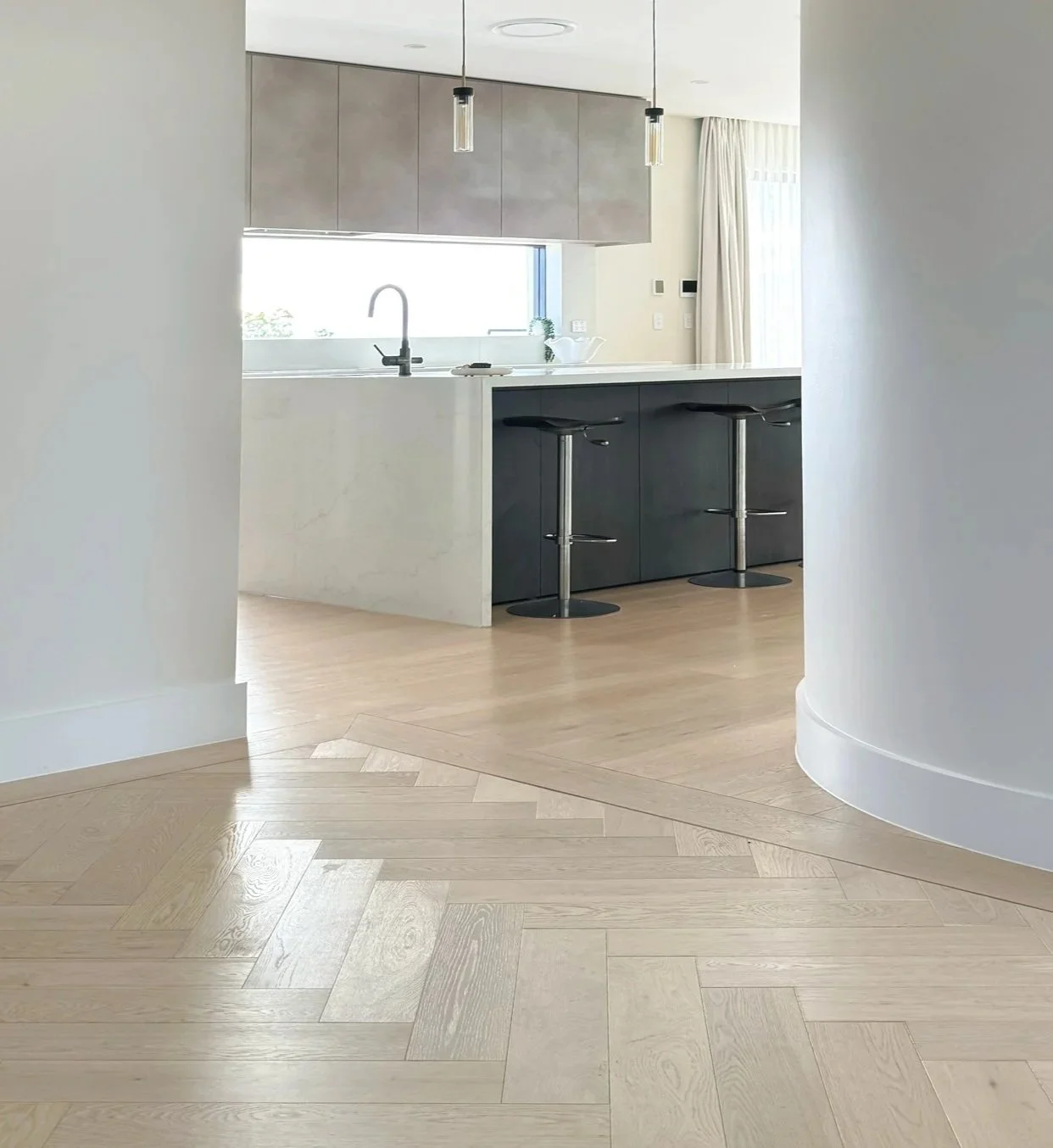
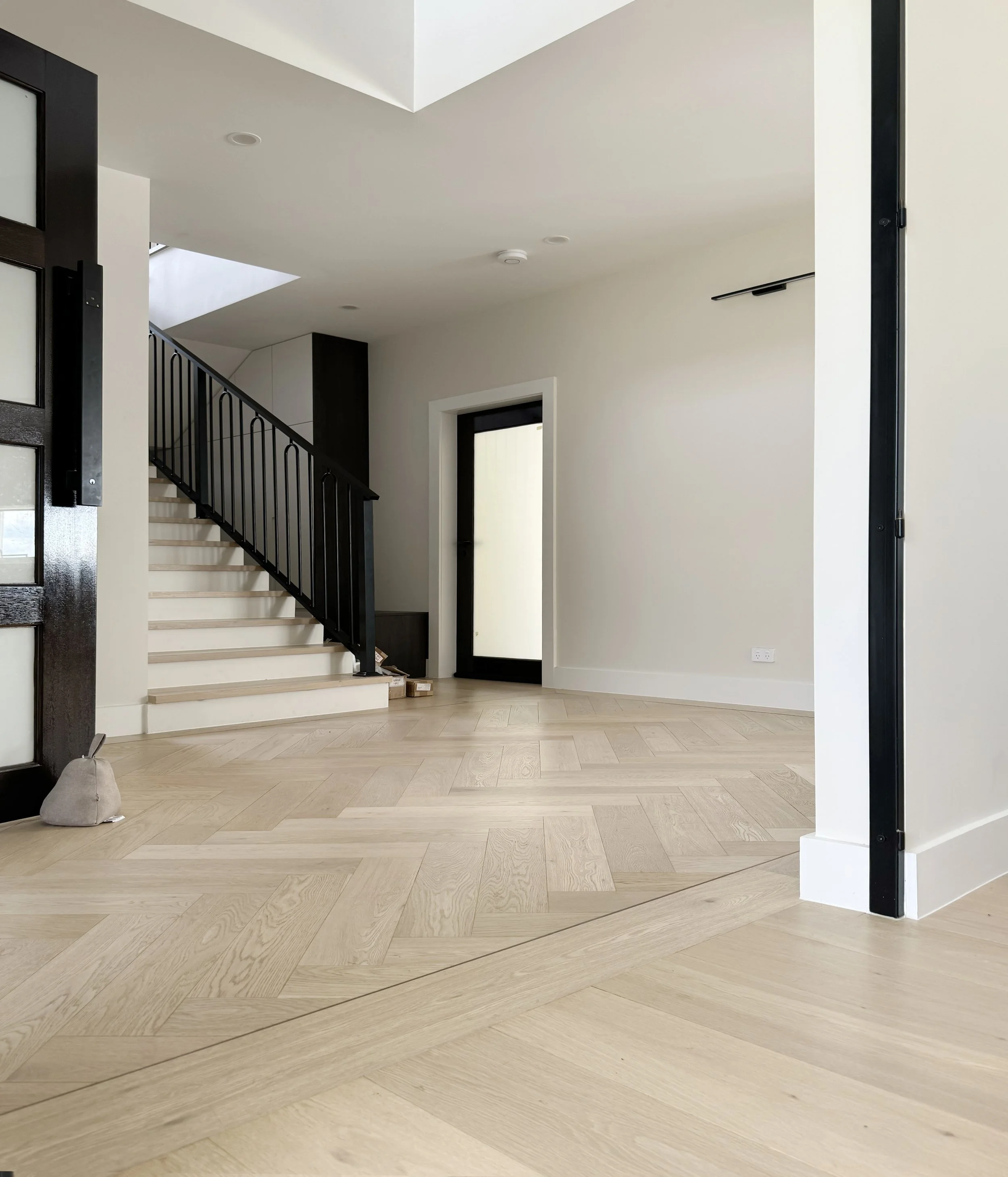
Herringbone and chevron patterns add more detail and movement to the floor. In light oak colours, these patterns can feel elegant without becoming too heavy or traditional. They are a strong choice for entries, living rooms, formal spaces, and premium design projects.

The right format depends on the size of the space, the design style, and how much visual detail you want the floor to have.

You can explore our herringbone engineered oak flooring collection online. For chevron flooring options, please contact us or visit our showroom, as our chevron collection is available to view offline only.


Looking for light oak engineered flooring for your project?

Visit our showroom, order samples, or speak with our team to explore our oak flooring collection. From classic wide boards to herringbone and chevron designs, we’ll help you find the right colour, finish, and format for your home.

Floating Timber Stairs: A Premium Design Feature for Modern Homes

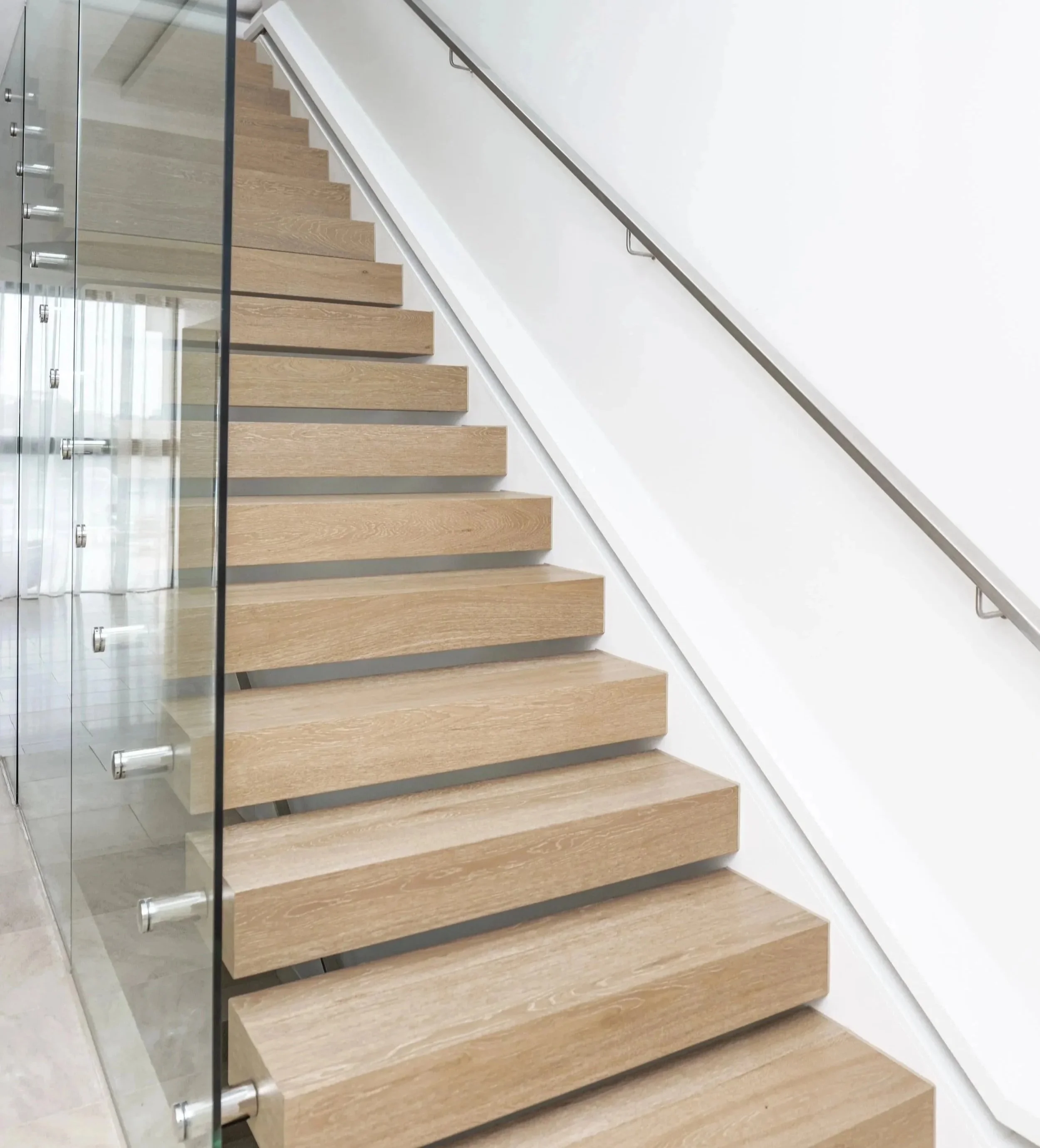
Floating timber stairs

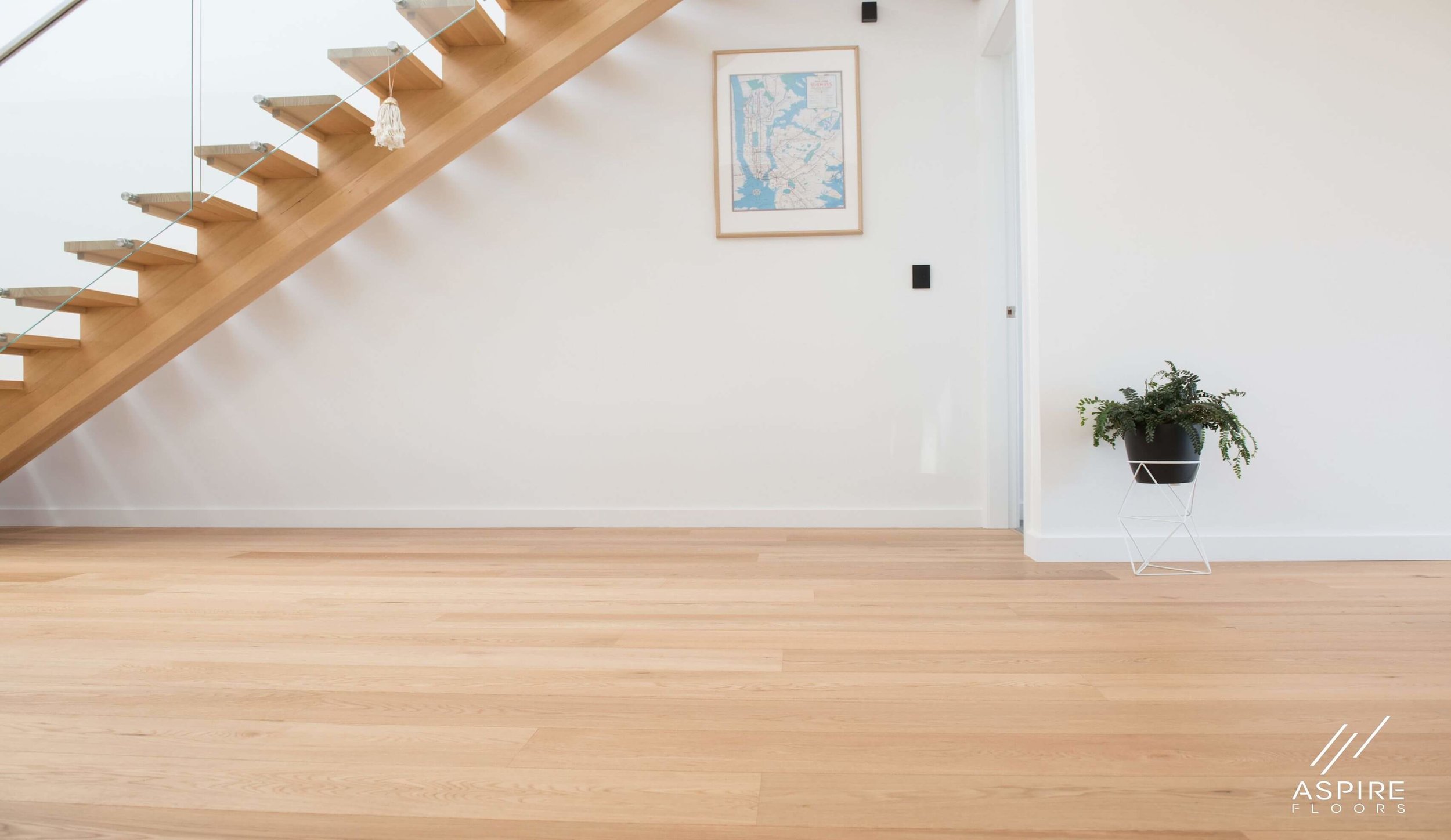
Floating timber stairs have become one of the most desirable design features in modern luxury homes. With their clean lines, open form, and natural timber finish, they can turn a staircase into a striking architectural centrepiece.

Rather than simply connecting 2 levels of a home, floating stairs can define the entire interior. They add visual interest, create a sense of openness, and bring warmth into contemporary spaces.

For homeowners planning a premium renovation or new build, floating timber stairs offer a refined way to combine architectural design with the natural beauty of timber.


Why Choose Engineered Timber for Floating Stairs?

Improved Stability

For floating staircases, stability is especially important. Because the design often uses open risers and exposed treads, the material needs to feel solid and perform well over time.

Engineered timber’s stable core helps reduce movement caused by seasonal changes in humidity and temperature, making it a practical option for detailed stair applications.

Seamless Flow & Aesthetics

If timber flooring is used throughout the main living areas, engineered timber can be used to create matching stair treads and nosings. This helps create a continuous design from floor to stair.

This is especially effective in open-plan homes, where the staircase is visible from the entry, living, or dining areas.

How we use engineered timber to create floating timber stairs


Important Design Considerations

Although floating stairs look minimal, they require careful planning and precise execution.

Important considerations include the stair structure, tread thickness, nosing detail, finish selection, and the relationship between the stairs and the surrounding flooring. Safety, durability, and practicality also need to be considered alongside appearance.

Because floating stairs are often a feature element, every detail matters. The final result should feel visually clean, structurally sound, and consistent with the overall design of the home.

Why Professional Installation Matters

Floating stairs are more complex than standard flooring installation. Each tread must be carefully measured, finished, and installed to achieve the desired look.

When using engineered timber, professional workmanship is essential to ensure the stairs not only look beautiful, but also perform well over time. A high-quality finish depends on accurate detailing, suitable materials, and proper installation methods.

In premium homes, these details can make a significant difference to the final result.


Looking to create a premium floating stair design for your home?

Speak with our team or visit our showroom to explore engineered timber options for floating stairs, matching flooring, and custom interior finishes.

How to Choose an Engineered Oak Flooring Colour for Your Project

Choosing the right engineered oak flooring colour is an important part of any renovation, new build, or interior design project. Oak flooring offers a wide range of colour options, from soft light oak to rich dark oak, with each shade creating a different mood and complementing different interior styles.


Why Engineered Oak Colour Matters

Flooring is one of the largest surfaces in a home, so its colour has a major impact on the overall design. The right oak flooring colour can make a space feel brighter, warmer, more refined, or more dramatic.

It also affects how other design elements appear, including wall colours, kitchen cabinetry, furniture, stone benchtops, rugs, and natural light.Choosing the right colour is not only about what looks beautiful in a sample. It is about how the floor works with the full interior.


Light Oak vs Natural Oak vs Dark Oak

Light oak flooring is often chosen for modern, coastal, Scandinavian, and minimalist interiors. It can make a room feel brighter, larger, and more open, which makes it a popular choice for apartments and open-plan living areas.

Natural oak flooring offers a balanced, timeless look with added warmth and character. Sitting between light and dark oak tones, these colours create a natural timber feel that works well in many homes, from family spaces to classic interiors. They are versatile choices for adding depth and warmth without making a room feel too light or too dark.

Dark oak flooring creates a bold and sophisticated finish. It can work beautifully in luxury interiors, formal living areas, and design-focused spaces, especially when paired with lighter walls, stone finishes, or custom joinery.

View our full engineered oak flooring collection to compare colours, finishes, textures, and plank sizes for your project.


How Natural Light Changes Oak Flooring Colour

Natural light can significantly change how an oak flooring colour appears. A colour that looks soft and neutral in a showroom may look warmer, cooler, lighter, or darker once installed in your home.

Strong sunlight can make oak flooring appear lighter and warmer, while darker rooms may make the same colour look deeper or more muted. Artificial lighting can also affect the tone, especially in the evening.

This is why it is important to view samples in the actual space and check them at different times of the day before making a final decision.


How Walls, Cabinetry and Furniture Affect the Floor Choice

Oak flooring colour should work with the rest of the interior, not just look good on its own.

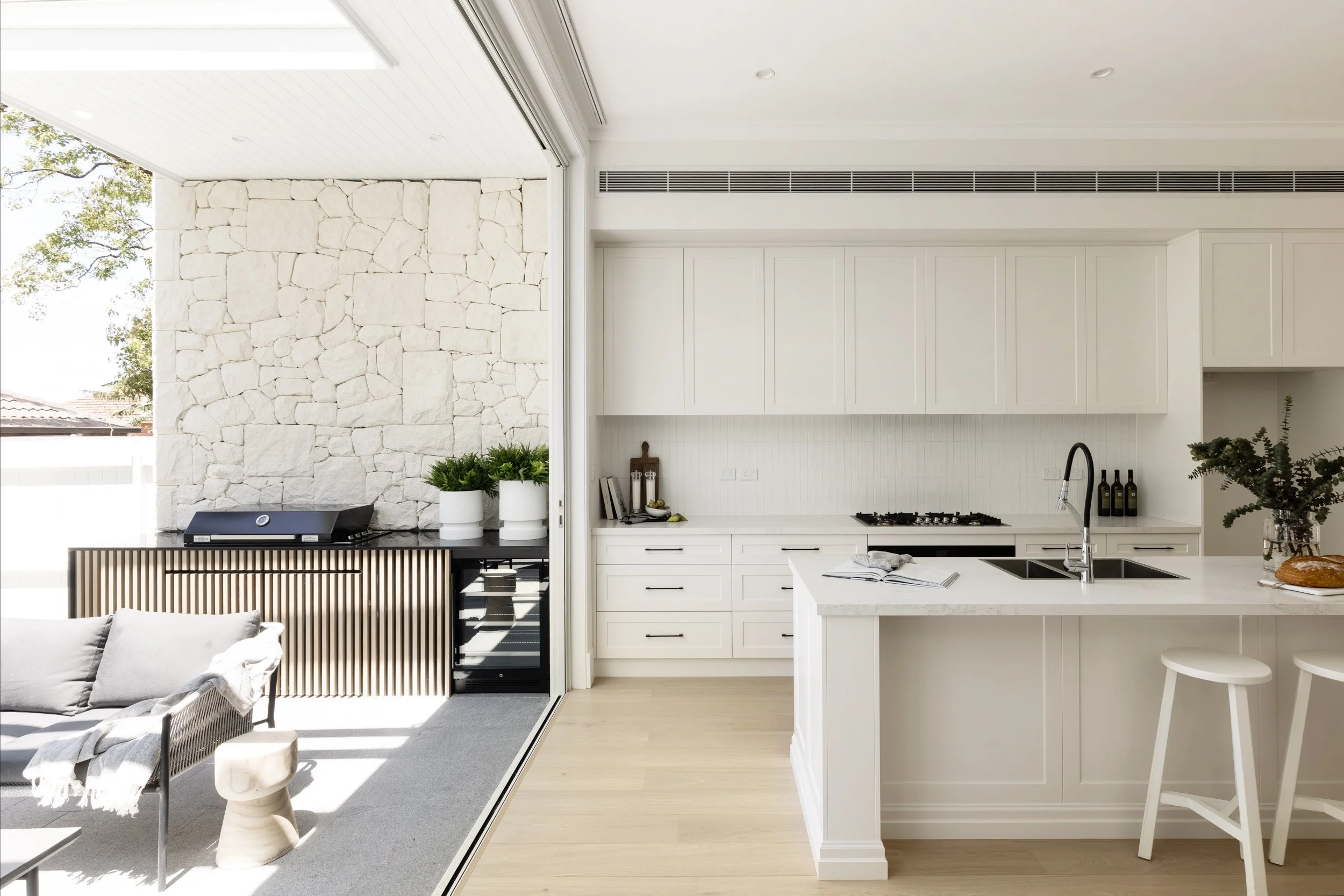
Wall colours can make the floor appear warmer or cooler. White and neutral walls often make oak tones feel clean and modern, while warmer wall colours can bring out the golden tones in the timber.

Kitchen cabinetry is also important. Light oak flooring can pair beautifully with white, beige, grey, or soft timber cabinetry. Darker oak flooring can create contrast with lighter joinery and a more dramatic look with dark or bold cabinetry.

Furniture, rugs, stone bench tops, and metal finishes should also be considered. A well-chosen oak flooring colour should support the full design palette and help the space feel balanced.

For more inspiration, you can also explore our project page to see how different oak flooring colours have been used in real homes and completed projects.


Maintenance Considerations for Light and Dark Oak Flooring

Light oak is generally more forgiving with dust, small marks, and everyday use, though very pale tones may show spills or dark marks more easily.

Dark oak creates a richer, more dramatic look, but it may show dust, scratches, pet hair, and footprints more clearly, so it may need more regular cleaning.


How to View Samples Properly Before Choosing

Samples are essential when choosing engineered oak flooring. Online images and showroom displays are helpful, but they cannot fully show how the colour will look in your own space.

When viewing samples, place them near your walls, cabinetry, furniture, and natural light. Check the colour during the morning, afternoon, and evening. If possible, compare more than one board, as oak is a natural material and colour variation is part of its character.

For larger projects, it is also worth viewing bigger samples in the showroom to see the flooring across a wider surface area. This helps you better understand the grain, tone, texture, and overall effect.

Visit our showroom to compare engineered oak flooring samples in person and speak with our team about the best colour for your project.

Floating vs Glue Down : Which Installation Method Is Better?

Floating vs Glue Down: Which Installation Method Is Better?

When choosing engineered oak flooring, the installation method can be just as important as the flooring itself. It affects how the floor feels underfoot, how much preparation is required, how acoustic requirements are handled, and how suitable the floor is for different types of homes.

The 2 most common installation methods are floating installation and glue down installation. Neither method is automatically better in every situation. The right choice depends on the flooring product, the subfloor, apartment or strata requirements, budget, and the type of finish you want to achieve.


Floating Installation

Floating installation means the flooring boards are installed over an underlay rather than being fixed directly to the subfloor. The boards are usually connected using a click lock or tongue and groove system.

This method is often chosen for apartments, renovations, and projects where a quicker or more cost effective installation is preferred. It can also be useful when acoustic underlay is required, provided the flooring product and underlay system are suitable.

Because the floor sits over an underlay, it may feel slightly softer underfoot compared with a glued floor. This is not necessarily a problem, but it does create a different feel. For some projects, that softer feel is acceptable. For others, especially premium homes or large open spaces, homeowners may prefer a firmer result.


Glue Down Installation

Glue down installation means the engineered oak boards are bonded to the subfloor using timber flooring adhesive.

Compared with floating installation, glue down usually provides a more solid and stable feel underfoot. This is one reason it is often selected for premium engineered oak flooring, wider planks, open plan areas, luxury homes, and high end renovations.

Glue down installation usually requires more preparation and a higher installation cost. The subfloor needs to be clean, dry, level, stable, and suitable for adhesive bonding. Moisture levels should also be checked before installation. When done properly, glue down installation can create a refined and long lasting result.


Acoustic Requirements

Acoustic performance is especially important in apartments, townhouses, and multi level buildings.

Floating floors are commonly installed with acoustic underlay. This can help reduce sound transfer and may assist with strata or building requirements.

Glue down floors can also be installed with acoustic underlay, but not with just any underlay. A suitable system is required. In many cases, this means a dual bonding system, where the acoustic underlay is bonded to the subfloor, and the engineered oak flooring is then bonded to the underlay using the correct adhesive.

Before choosing either method, acoustic requirements should be confirmed with the strata, builder, installer, or relevant building guidelines.


Cost and Preparation

Floating installation is usually more cost effective because it is faster and often involves fewer materials.

Glue down installation generally costs more because it requires adhesive, more labour, and more detailed subfloor preparation. If acoustic underlay is needed with glue down installation, the cost can increase further because a suitable dual bonding system may be required.

Regardless of the method, subfloor preparation is still important. A poor subfloor can cause noise, movement, unevenness, or performance issues even when a high quality engineered oak floor is used.


So, Which One Should You Choose?

Choose floating installation if the project needs a practical, efficient, and cost conscious solution, especially for apartments, renovations, or suitable products designed for floating installation.

Choose glue down installation if you want a firmer, more premium feel underfoot and the site conditions allow for the extra preparation and investment.

For many premium engineered oak flooring projects, glue down installation is preferred because it gives the floor a more solid and refined feel. However, floating installation can still be the right choice when acoustic, budget, product, or site requirements make it more suitable.


Final Thoughts

Both floating and glue down installation can work well for engineered oak flooring when they are matched to the right product and site conditions.

Floating installation is usually the more practical and cost effective option. Glue down installation is usually the stronger choice for a premium feel and long term result, provided the subfloor and installation system are suitable.

The best result comes from choosing the method that suits your home, your flooring product, and your installation requirements.

Engineered Timber Flooring vs Hybrid Flooring

Which Flooring Is Better for Your Home?

Choosing the right flooring is an important decision for any renovation or new build. Flooring affects the look, comfort, practicality, and long term value of your home, so it is worth comparing your options carefully.

Two popular choices are engineered timber flooring and hybrid flooring. Both can create a beautiful modern interior, but they are designed for different needs.

Engineered timber flooring is often chosen for premium homes, luxury apartments, and high end renovations because it offers the natural beauty and warmth of real timber. Hybrid flooring is a waterproof, practical, and low maintenance option that suits busy households, rental properties, and budget conscious projects.

So, which one is right for your home? Let’s compare the two.


What Is Engineered Timber Flooring?

Engineered Timber Flooring Project

Engineered timber flooring is made with a real timber surface layer on top of a stable engineered core. For example, engineered oak flooring has a genuine oak surface, giving the floor natural oak grain, texture, and colour variation.

Because the top layer is real timber, each plank has its own unique character. It offers the warmth, depth, and authentic appearance of natural wood, while providing better stability than traditional solid timber flooring.

Engineered timber flooring is commonly used in luxury apartments, family homes, and architect designed spaces where a refined and timeless finish is important.


What Is Hybrid Flooring?

Hybrid flooring is a multi-layered flooring product designed for waterproof performance, durability, and easy maintenance. It usually includes a protective wear layer, a printed decorative layer, a rigid core, and a backing layer for support and comfort.

The main benefits of hybrid flooring are that it is waterproof, easy to clean, relatively simple to install, and usually more affordable than real timber. It is often used in busy households, rental properties, commercial spaces, and projects where practicality and budget are key priorities.


Appearance and Design

One of the biggest differences between engineered timber flooring and hybrid flooring is appearance.

Engineered timber flooring has a real timber surface, so the grain, knots, colour tones, and texture are naturally formed. No 2 boards are exactly the same, which gives the floor a warm, authentic, and premium look.

Hybrid flooring uses a printed decorative layer to imitate timber, stone, or tile. Many high quality hybrid floors can look modern and attractive, but they do not have the same natural depth, variation, or luxury feel as real timber. Because the design is printed, patterns may also repeat across boards.

For high end interiors, engineered timber flooring usually creates a more refined and timeless result. It pairs beautifully with stone benchtops, custom joinery, designer furniture, and architectural details.


Material and Feel

Engineered timber flooring is made with real timber, so it feels warmer and more natural underfoot. It brings an organic texture into the home and creates a more premium atmosphere.

Hybrid flooring is made from synthetic and composite materials. It is practical and stable, but depending on the product, it may feel harder or less natural than timber.

For homeowners who care about the overall feeling of the space, engineered timber flooring often delivers a more luxurious and comfortable result.


Durability and Practicality

Both engineered timber flooring and hybrid flooring can be durable, but they are designed for different priorities.

Hybrid flooring is waterproof, scratch resistant, stain resistant, and easy to clean. This makes it a practical choice for busy households, homes with children or pets, rental properties, and areas where spills or moisture may be common.

Engineered timber flooring is also strong and long lasting when properly installed and maintained. However, because it has a real timber surface, it requires more care. Homeowners should avoid excess water, dragging heavy furniture, sharp objects, and harsh cleaning products.

If your priority is natural beauty and long term design value, engineered timber flooring is usually the stronger choice. If your priority is waterproof performance and easy maintenance, hybrid flooring may be more suitable.


Maintenance

Hybrid flooring is generally easier to maintain. Regular sweeping, vacuuming, and damp mopping are usually enough for daily cleaning.

Engineered timber flooring also requires regular cleaning, but it should be treated with more care. Spills and excess water should be cleaned promptly, furniture pads should be used, and dirt or grit should be removed regularly to reduce scratching.

Hybrid flooring is better for households that want a low maintenance floor. Engineered timber flooring is better for homeowners who want a premium natural finish and are happy to care for it properly.


Cost and Long-Term Value

Hybrid flooring is usually more affordable than engineered timber flooring. This makes it attractive for budget conscious renovations, investment properties, and rental homes.

Engineered timber flooring is typically more expensive because it uses real timber and offers a more premium finish. The final cost can depend on the timber species, board size, wear layer, finish, installation method, subfloor preparation, and project complexity.

Although engineered timber costs more upfront, it can add stronger visual appeal and luxury value to a home. For premium Sydney homes, real timber flooring often creates a more timeless and desirable result.


Which Flooring Should You Choose?

Both flooring options have their advantages. The right choice depends on your lifestyle, budget, and design goals.

Choose engineered timber flooring if you want a premium, natural, and timeless floor that enhances the look and feel of your home.

Choose hybrid flooring if you want a waterproof, practical, low maintenance, and more affordable flooring option.

For luxury homes and high end renovations, engineered timber flooring is usually the preferred choice. For busy households, rental properties, and projects where waterproof performance is the main priority, hybrid flooring can be a smart and practical solution.


Why Engineered Wood Flooring ?

Why Engineered.jpg
Engineered timber flooring Project-Natmat

Engineered timber flooring Project-Natmat

Engineered timber flooring Project-Chenas

Engineered timber flooring Project-Chenas

Engineered timber flooring Project-Pauillac

Engineered timber flooring Project-Pauillac

Engineered Wood Flooring is a trend

When it comes to high quality flooring, engineered wood flooring is fast becoming a trend in Australia as well as in many European countries. In Australia, the preferred type flooring for public buildings and residential spaces is engineered floors which reflect the beauty of European style construction that many Australians have come to appreciate. A quick peek into many of Australia’s most attractive restaurants, cafes, and other commercial establishments will show that engineered timber flooring is often the chosen material used for conventional construction methods of basic walking surfaces. Polished to perfection, the striking characteristics of engineered timber flooring is something that you’ll really pause to admire!

Many people tend to think that timber floor is on the pricier end of the scale, but the truth could not be farther from this. While carpeting is undoubtedly the cheaper option, high quality engineered wood flooring will outlast it by decades, is environmentally friendlier, and lends an extra degree of sophistication to your home!

Environmentally friendly product and sustainable choice

Planning for a property renovation will likely include several ideas on how you can approach the task of reinventing your flooring, with the usual options being tiles, carpets, and timber flooring. Among the three, your best bet will always be timber flooring. Engineered wood flooring is not only trendy but also belongs to an industry that is carbon positive. It is less greenhouse gas emission and longer service life. Choosing engineered timber flooring for your home is the more environmentally conscious choice with greenhouse gas emissions being five times lower compared to ceramic tile floors, considered a renewable resource, and promotes long lifetime usage (with the standard thickness of 15mm) compared to the alternatives.

At Aspire Floors, we use engineered timber planks of a standard 15mm – 20mm height that comes with a material warranty of 25 years. Interested to check out our product range? Click here to view the entire catalogue.

Engineered Wood Flooring is an ideal solution

There are 5 primary advantages that you will enjoy in using engineered wood flooring for your property renovation projects:

Easy to install. It’s saving time.  A lot of time!

Timber flooring may sometimes come with some concerns when it comes to maintenance, particularly keeping the wood plank’s surface looking its best. In consideration of this, engineered timber flooring comes pre-finished for convenience. Engineered wood floors normally don’t require sanding or finishing once they have been installed. Should your timber flooring come without a pre-finish, you need to wait around three days for it to cool down post-installation prior to sanding and coating. Having said this, it is definitely much more time- and money-saving to simply choose engineered wood flooring instead.

In addition, the installation process of engineered timber flooring is so much simpler. This is because engineered timber flooring does not have to go through acclimatisation unlike solid wood timber. With solid wood timber flooring, manufacturers may sometimes recommend that these undergo acclimatisation processes and/or be stored for around 7-10 days before installation. With timber flooring, you’ll get to skip this entire process which will save you time on property renovations or when building new floors.

Better stability and durability

Another advantage of using wooden flooring is that it is highly tolerant of humidity and a host of temperature conditions. The construction design of engineered timber board are in a layered manner, which makes it even more stable and less vulnerable to a host of changing conditions. These design considerations ensure that one will not have to worry about warping or other types of damages to engineered timber flooring even after subjecting it to harsh conditions. Meanwhile, solid wood timber are traditionally cut from blocks or single materials, which make it less sturdy compared to its engineered timber counterparts. Wood easily responds to environmental changes, so any drop or rise in temperature or humidity will mean that these boards will react accordingly – and often, in ways that will compromise its integrity. Engineered timber flooring is known for its flexible, stable, and durably characteristics after it has already been installed.

Better performance on sounds absorbing with Engineerd Wood Flooring

Multi-level apartments adhere to building codes that have specifics when it comes to sound absorption and acoustics. In the Building Code of Australia (BCA), the rule is that there should be no more than 62 decibels of noise in between floors. This requirement can easily be met by implementing an acoustic underlay right onto an apartment’s concrete slab in order to absorb sound. The timber flooring will be laid out right on top of the underlay.

While this is the requirement of the BCA, other governing bodies in other states may also dictate their own specific decibel requirements, which is why it is important to check with the body corporate you are working with before proceeding with the work. Because there will be cases wherein a variety of acoustic solutions will be required, it is best to stick to floating products that are already pre-finished such as engineered flooring, laminate, or bamboo. Parquetry and solid timber flooring may also be considered, provided that one exercises the required additional attention to detail as well as specific installation methodologies. Compared to the rest, timber flooring solutions come with more environmental benefits, are much lighter compared to tiles, score higher in fire ratings over carpets, and are healthier to have in residential spaces in general.

Value-added product when renovating your property

By now, we have already established that timber flooring can be used for longer periods of time and are more durable than other types of flooring if it is well-maintained. However, any landlord knows that not all of his tenants will adhere to the proposed care and maintenance of timber flooring – no matter how often this is stressed. The good news is even if tenants fall short of consciously taking care of their timber flooring, you can still expect it to perform better, last longer, and look more well-kept than carpets. Thus, it is a good decision to invest in engineered timber flooring for your property because it is more worth it in the long run.

Furthermore, the AFTA’s research on data from real estate agents reveal that property values can be 3% higher if timber flooring is used, making it a lot easier to sell at a good price.

Beautiful and multi-coloured surface to choose

Timber floors that have a lighter hue are the popular choice of flooring in Australia, according to the ATFA. This is because such an aesthetic quality translates into easier clean up, and there are a lot of timber species to choose from. This gives a customer more freedom in decorating their home, starting with the flooring. Colours can be matched according to one’s preference or type of furniture, walls, and so much more.

At Aspire Floors, we provide our clients with a wide range of light-coloured timber flooring so you can easily find the best match for your home and your personal taste. See our product range here.

As previously mentioned, engineered flooring comes with a tastefully decorative layer formed out of solid timber that’s bonded on top of plywood, making it more stable and helps to maintain the attractive appearance as well as characteristics that accompany solid timber flooring. Engineered timber floors can also come with marked differences in how they are constructed and can be used in a number of ways: laid out as floating floors, glued right onto a subfloor to act as an overlay, or fixed as structured flooring. Need more information or have some questions? Please feel free to get in touch with our professionals over CONTACT US .

Our product range is from European oak timber and our service covers all of Sydney regions.

For our recent projects, please see here.

For our product range and colours, please see here.

European Oak Flooring: Engineered Versus Traditional Hardwood

floorboards-small.gif

European Oak Flooring: Engineered Versus Traditional Hardwood

Authentic European oak flooring looks great in most homes, no matter how they are constructed. Still, there are several key differences between engineered oak flooring and the standard hardwood or softwood options. Here are three things homeowners should consider when choosing timber flooring in Sydney:

Layered Construction

Traditional wood boards are solid throughout, cut from a single material or block.  Since wood is responsive to the environment, these boards can react to heat, cold, and humidity. Boards created with a layered construction are designed to be more stable and thereby less susceptible to changing conditions. Each board can be longer, wider, and thicker than traditional sizing options while still resisting warping and other damage.

Comparable Maintenance

Most authentic oak boards have an attractive finish and top surface regardless of the construction beneath. Boards with a matte finish, as opposed to high-gloss, are less likely to show scratches. Otherwise, most types of hardwood floors require similar maintenance. Sweeping helps remove dirt particles that could grind into the surface of the boards.

Ability to Customise

Engineered oak flooring, as opposed to the solid hardwood version, is pre-finished and comes in a variety of finishes and colour design codes. Depending on a home’s design needs, this customisation may be difficult to achieve with traditional hardwood. The end result offers the best of both worlds, bringing together the warmth of authentic hardwood and strength of a layered, resilient design.

We Aspire Floors offers a range of timber flooring in Sydney, including favourites like Pauillac the  from the Antique Collection and the Witmat from the Designer Collection. Our layered, hand-finished boards come with a 25-year residential warranty as well as a lifetime structural warranty. For more information, call (02) 9699 1648 or stop by our Waterloo showroom.

Want to have more inspirations? See below topics:

The true beauty of Oak Floor is reflected in our Antique Collection

The true beauty of.jpg

The true beauty of Oak Floor is reflected in our Antique Collection

Oak floor has remained the preference choice for many reasons when it comes to flooring. If you are seeking a timber floor that brings character, warmth and depth to a space, the Antique Collection will delight the senses and deliver just that.

They say first impressions are very important and with five remarkable colours to choose from in our Antique Collection, this range really is a stunning example of how an oak floor can add great substance to a room and give an unforgettable first impression.

Each colour has been given the famous ‘old wood effect’ treatment creating a unique finish which is undeniably appealing to the eye.

Reliable oak floors are highly sought after in modern times, our engineered antique range is made up of a top layer of European oak timber bonded to an engineered base giving it superior strength and stability. Many traditional oak floors change their form and are prone to warping and cupping with fluctuations in temperature. Whereas, an engineered base makes the board resistant to warping and deformation.

Our European oak characteristics consist of a less prominent grain, a raw, natural appearance with a neutral tan colour. Through treatment we enhance the natural nutty brown base colours in the wood.

If you wish to improve the value and the appearance of any property, installing an oak floor is one way of achieving that, it’s also an ideal choice for a variety of surface treatments. The warm and attractive characteristics complement almost any type of décor and space. Whether you are an architect, a home owner, interior designer, fine furniture maker or simply interested in oak flooring you are sure to find one you love in our classic antique collection.

We Aspire Floors offering a complete and reliable service from the initial enquiry stage, selecting the right type of flooring for your needs and installing it in your property. Our pricing is competitive, our experience, knowledge and customer service is of the highest standard.

Contact Aspire Floors today and you’re already one step closer to having the oak flooring you have always wanted.

Why Choose Engineered OakFlooring?

The Natural Beauty of Oak

Oak has long been one of the most popular timber species for high-quality flooring. One of its greatest strengths is its natural appearance. Oak has a clear, elegant, and layered grain pattern that gives flooring a warm and authentic timber look. Its texture is noticeable without being too strong or overwhelming, making it suitable for a wide range of interior styles.

Whether used in modern, Scandinavian, classic, coastal, or luxury interiors, oak flooring can blend naturally into the space. Compared with some timber species that have very strong colour variation or dramatic grain patterns, oak offers a more balanced and timeless appearance. This makes it a safe and attractive choice for both homeowners and designers.


Durability for Everyday Flooring Use

Oak is also valued because it has good strength and durability. Flooring needs to withstand daily foot traffic, furniture movement, and general wear over time. Oak is harder and more durable than many softwoods, such as pine, making it more suitable for long-term flooring use.

At the same time, oak is not overly difficult to work with. Some very hard timber species can be challenging to cut, process, stain, or finish. Oak provides a good balance: it is strong enough for practical flooring use, but still workable enough for manufacturers to produce high-quality engineered timber boards.


Excellent Design Flexibility

Another important feature of oak is its strong design flexibility. Oak accepts different surface treatments very well, including staining, smoking, brushing, oiling, lacquering, and matte finishing. This allows oak flooring to be produced in many different colours and textures.

For example, natural oak creates a warm and comfortable feeling, while whitewashed oak suits modern and Scandinavian interiors. Smoked oak can create a more luxurious and layered look, and darker oak tones can bring a sense of elegance and sophistication. Because of this flexibility, oak can meet many different design preferences and market demands.


Why Engineered Timber Flooring Uses Oak

Engineered timber flooring commonly uses oak because oak works extremely well as the visible top layer. In engineered flooring, the surface veneer is the real timber layer that people see and walk on, while the core layers underneath provide strength and stability. Oak is ideal for the top layer because it delivers the beauty, texture, and premium feeling of real timber.

The engineered structure improves the overall stability of the flooring. Compared with solid timber flooring, engineered timber is less likely to expand, shrink, or move due to changes in temperature and humidity. This means oak engineered timber flooring can offer the natural beauty of oak while also providing better stability for modern homes, apartments, and commercial spaces.


Efficient Use of Premium Timber

Using oak in engineered timber flooring also makes better use of valuable timber resources. Traditional solid oak flooring uses oak throughout the entire plank, while engineered oak flooring uses a real oak veneer on the surface and a stable multi-layer core underneath.

This construction allows the floor to keep the most important visual and tactile qualities of oak while using the oak resource more efficiently. For customers, it provides the look and feel of real oak flooring, often with improved stability and better value compared with solid timber flooring.


The Unique Value of Oak Compared with Other Wood Species

Compared with other wood species, oak is a strong all-round choice. Some timbers may be harder than oak, such as certain Australian hardwoods. Some may have a darker and richer appearance, such as walnut. Others may be more affordable, such as pine. However, oak is valued because it offers a strong balance across many important areas.

Oak combines natural beauty, reliable durability, design flexibility, and strong market appeal. It can suit many interior styles, accept many finishes, and provide a premium timber appearance without being too specific or difficult to match. This makes oak one of the most versatile and widely accepted timber species for engineered flooring.


A Timeless and Practical Flooring Solution

In summary, oak is widely used for engineered timber flooring because it brings together the beauty of natural timber and the practical benefits of modern flooring construction. Its attractive grain, versatile colour options, durability, workability, and long-term appeal make it an excellent choice for flooring.

The engineered structure further enhances oak’s value by improving stability, reducing movement, and making the flooring suitable for a wider range of spaces. For these reasons, oak engineered timber flooring is considered a classic, practical, and long-lasting flooring solution with strong design and market value.