
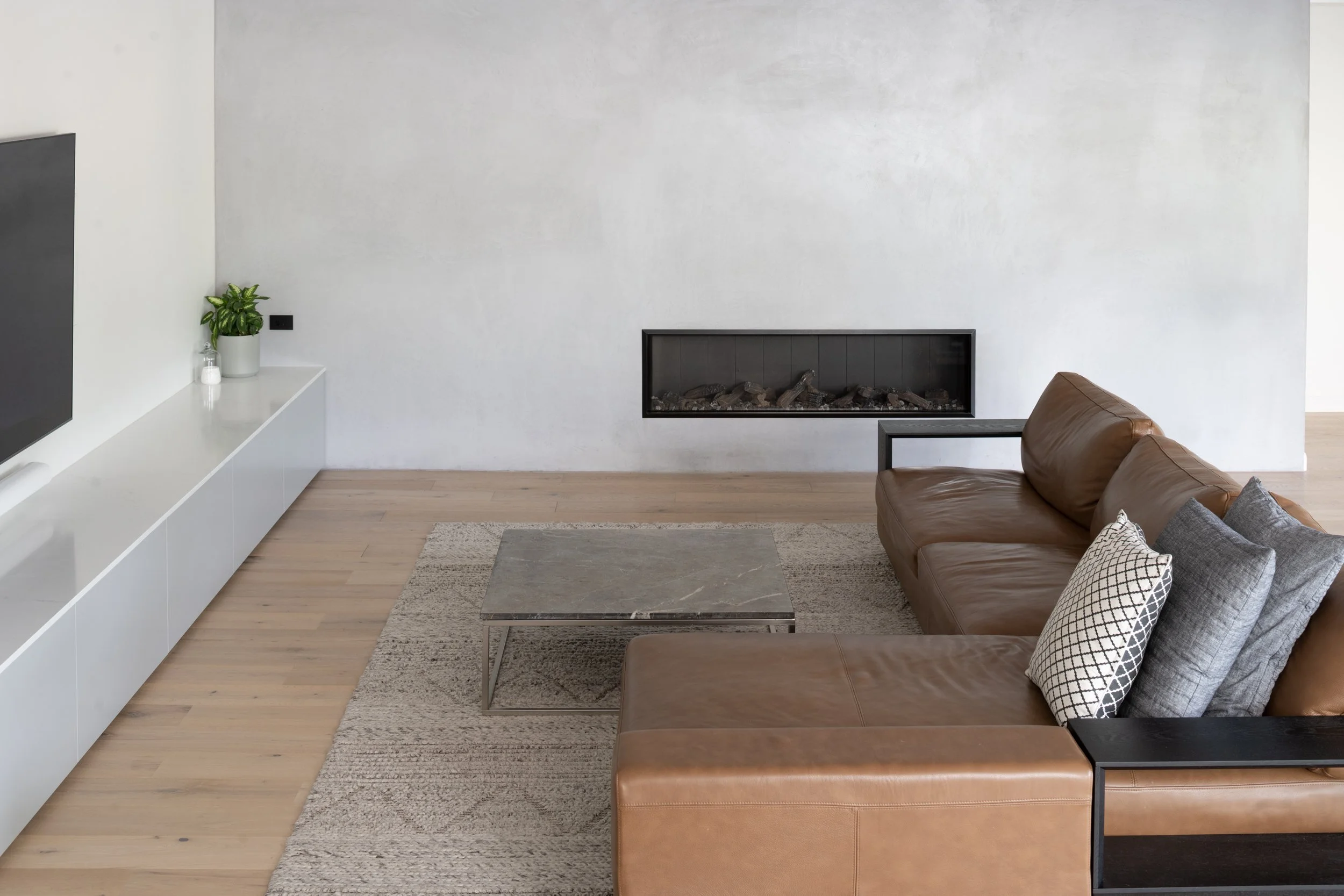
The Natural Beauty of Oak
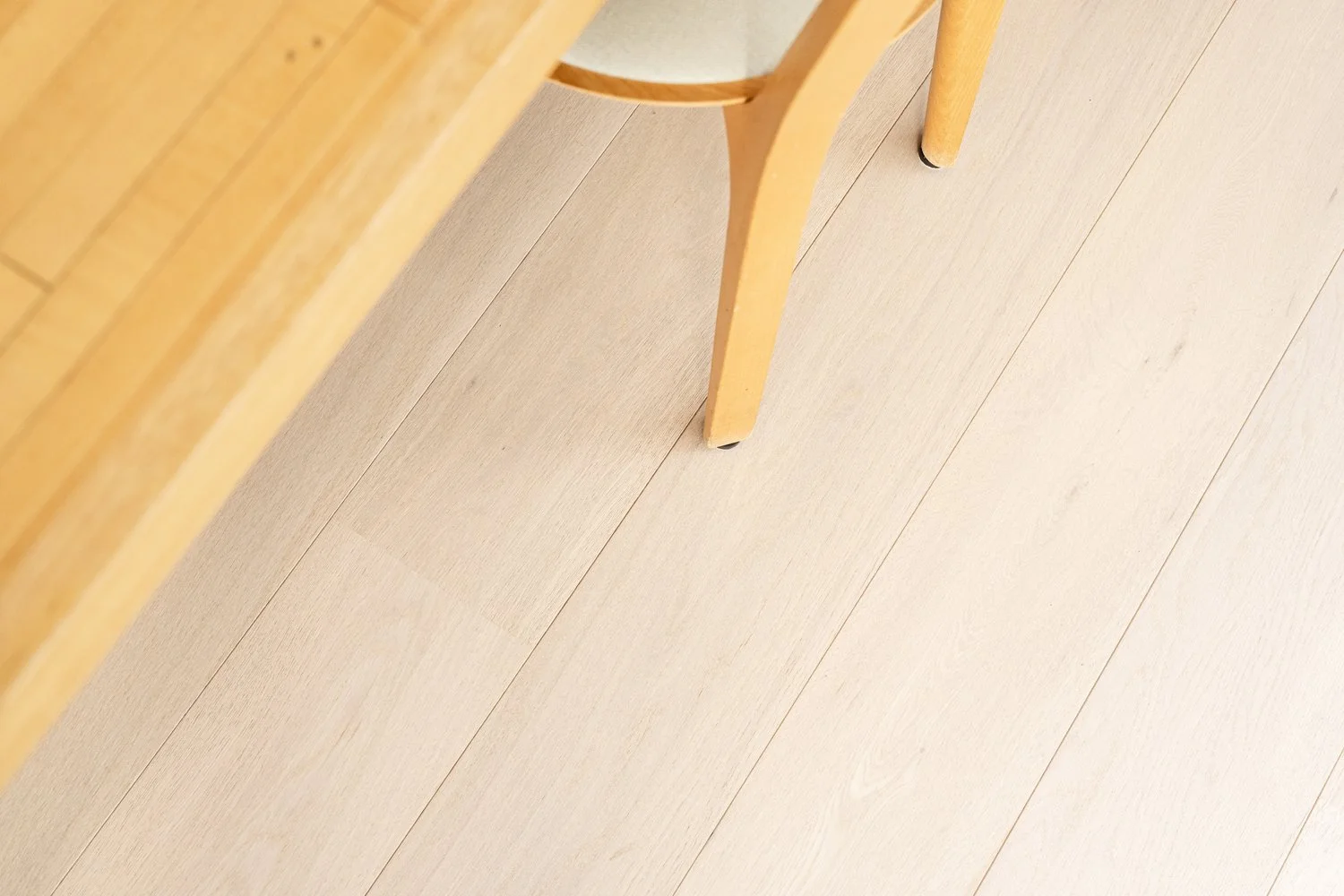
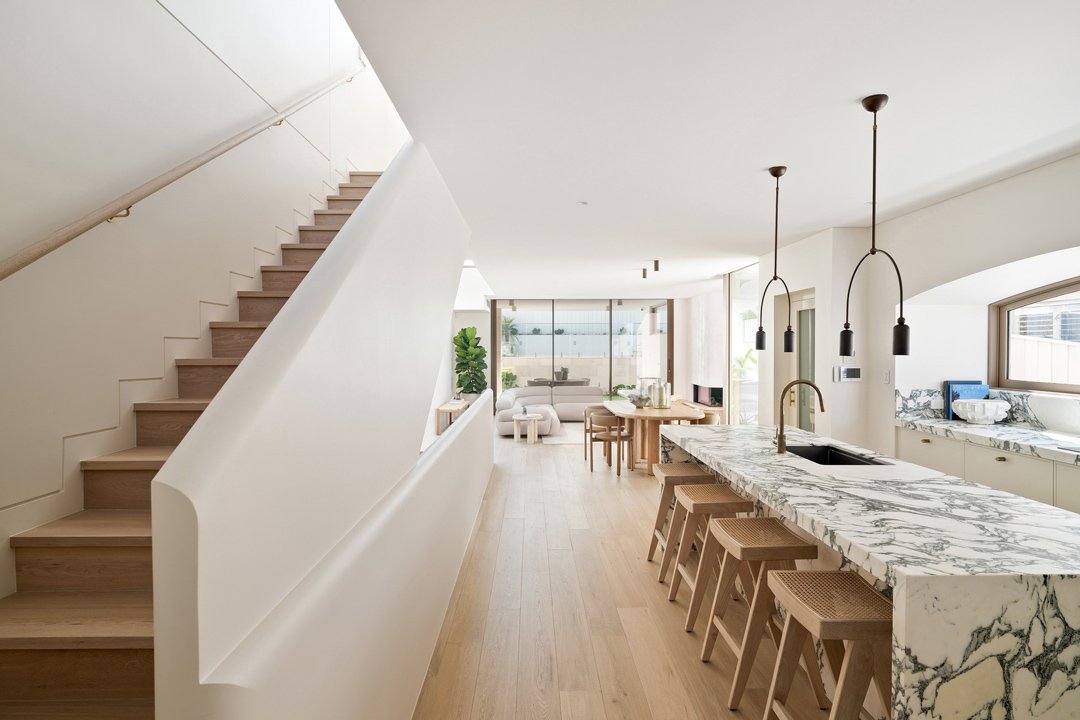
Oak has long been one of the most popular timber species for high-quality flooring. One of its greatest strengths is its natural appearance. Oak has a clear, elegant, and layered grain pattern that gives flooring a warm and authentic timber look. Its texture is noticeable without being too strong or overwhelming, making it suitable for a wide range of interior styles.
Whether used in modern, Scandinavian, classic, coastal, or luxury interiors, oak flooring can blend naturally into the space. Compared with some timber species that have very strong colour variation or dramatic grain patterns, oak offers a more balanced and timeless appearance. This makes it a safe and attractive choice for both homeowners and designers.
Durability for Everyday Flooring Use
Oak is also valued because it has good strength and durability. Flooring needs to withstand daily foot traffic, furniture movement, and general wear over time. Oak is harder and more durable than many softwoods, such as pine, making it more suitable for long-term flooring use.
At the same time, oak is not overly difficult to work with. Some very hard timber species can be challenging to cut, process, stain, or finish. Oak provides a good balance: it is strong enough for practical flooring use, but still workable enough for manufacturers to produce high-quality engineered timber boards.
Excellent Design Flexibility
Another important feature of oak is its strong design flexibility. Oak accepts different surface treatments very well, including staining, smoking, brushing, oiling, lacquering, and matte finishing. This allows oak flooring to be produced in many different colours and textures.
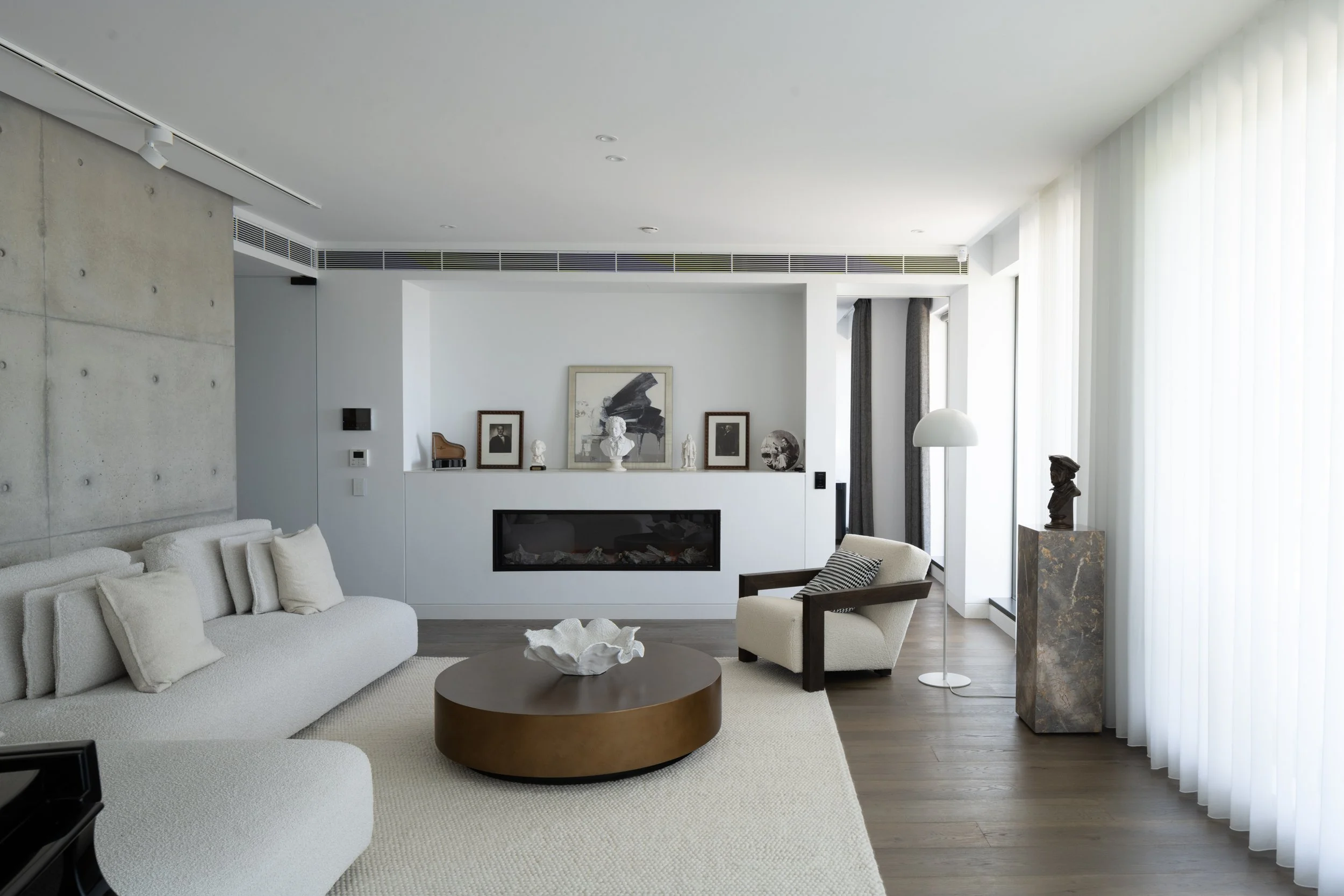
For example, natural oak creates a warm and comfortable feeling, while whitewashed oak suits modern and Scandinavian interiors. Smoked oak can create a more luxurious and layered look, and darker oak tones can bring a sense of elegance and sophistication. Because of this flexibility, oak can meet many different design preferences and market demands.
Why Engineered Timber Flooring Uses Oak
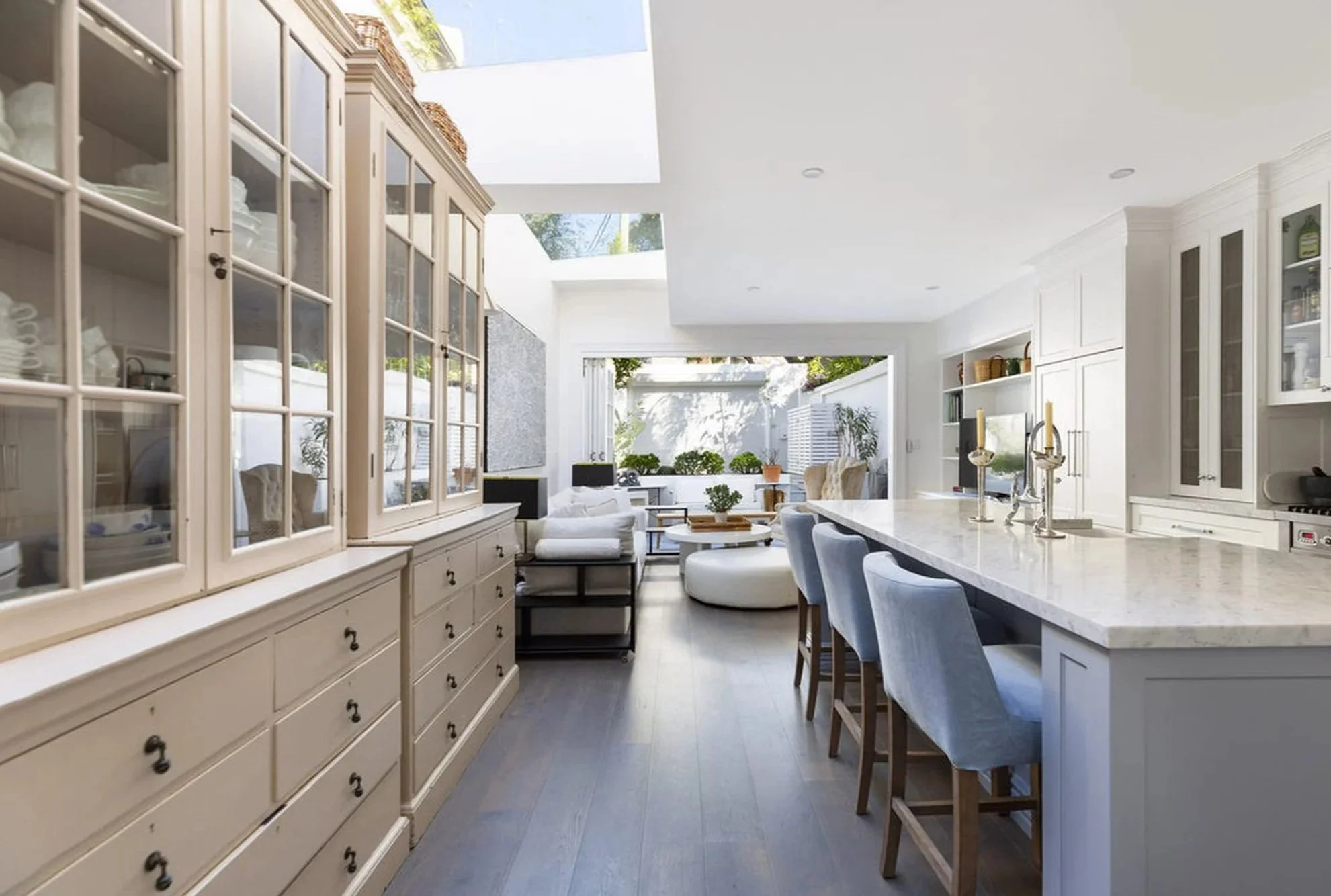
Engineered timber flooring commonly uses oak because oak works extremely well as the visible top layer. In engineered flooring, the surface veneer is the real timber layer that people see and walk on, while the core layers underneath provide strength and stability. Oak is ideal for the top layer because it delivers the beauty, texture, and premium feeling of real timber.
The engineered structure improves the overall stability of the flooring. Compared with solid timber flooring, engineered timber is less likely to expand, shrink, or move due to changes in temperature and humidity. This means oak engineered timber flooring can offer the natural beauty of oak while also providing better stability for modern homes, apartments, and commercial spaces.
Efficient Use of Premium Timber
Using oak in engineered timber flooring also makes better use of valuable timber resources. Traditional solid oak flooring uses oak throughout the entire plank, while engineered oak flooring uses a real oak veneer on the surface and a stable multi-layer core underneath.
This construction allows the floor to keep the most important visual and tactile qualities of oak while using the oak resource more efficiently. For customers, it provides the look and feel of real oak flooring, often with improved stability and better value compared with solid timber flooring.
The Unique Value of Oak Compared with Other Wood Species
Compared with other wood species, oak is a strong all-round choice. Some timbers may be harder than oak, such as certain Australian hardwoods. Some may have a darker and richer appearance, such as walnut. Others may be more affordable, such as pine. However, oak is valued because it offers a strong balance across many important areas.
Oak combines natural beauty, reliable durability, design flexibility, and strong market appeal. It can suit many interior styles, accept many finishes, and provide a premium timber appearance without being too specific or difficult to match. This makes oak one of the most versatile and widely accepted timber species for engineered flooring.
A Timeless and Practical Flooring Solution
In summary, oak is widely used for engineered timber flooring because it brings together the beauty of natural timber and the practical benefits of modern flooring construction. Its attractive grain, versatile colour options, durability, workability, and long-term appeal make it an excellent choice for flooring.
The engineered structure further enhances oak’s value by improving stability, reducing movement, and making the flooring suitable for a wider range of spaces. For these reasons, oak engineered timber flooring is considered a classic, practical, and long-lasting flooring solution with strong design and market value.