
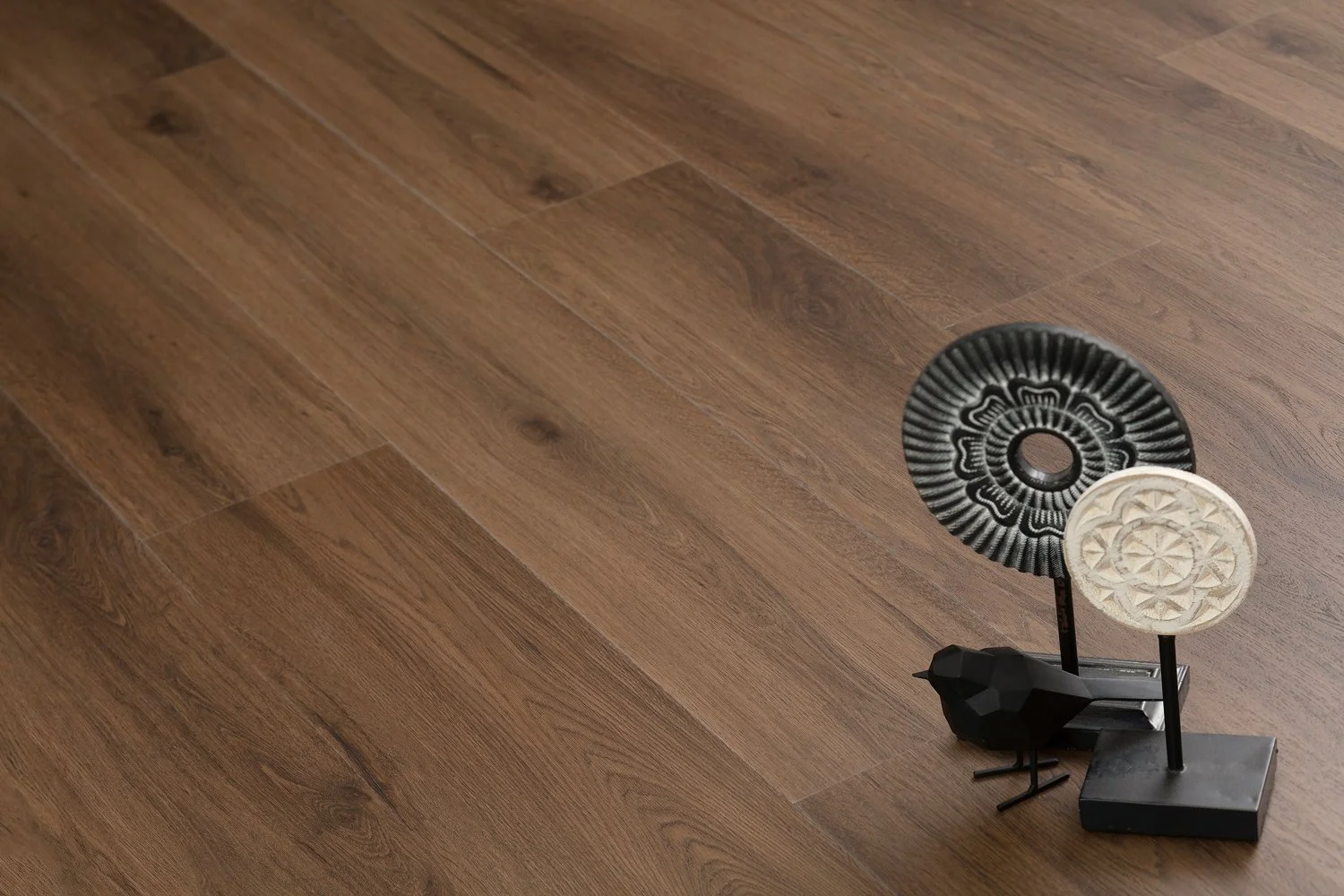
Which Flooring Is Better for Your Home?
Choosing the right flooring is an important decision for any renovation or new build. Flooring affects the look, comfort, practicality, and long term value of your home, so it is worth comparing your options carefully.
Two popular choices are engineered timber flooring and hybrid flooring. Both can create a beautiful modern interior, but they are designed for different needs.
Engineered timber flooring is often chosen for premium homes, luxury apartments, and high end renovations because it offers the natural beauty and warmth of real timber. Hybrid flooring is a waterproof, practical, and low maintenance option that suits busy households, rental properties, and budget conscious projects.
So, which one is right for your home? Let’s compare the two.
What Is Engineered Timber Flooring?
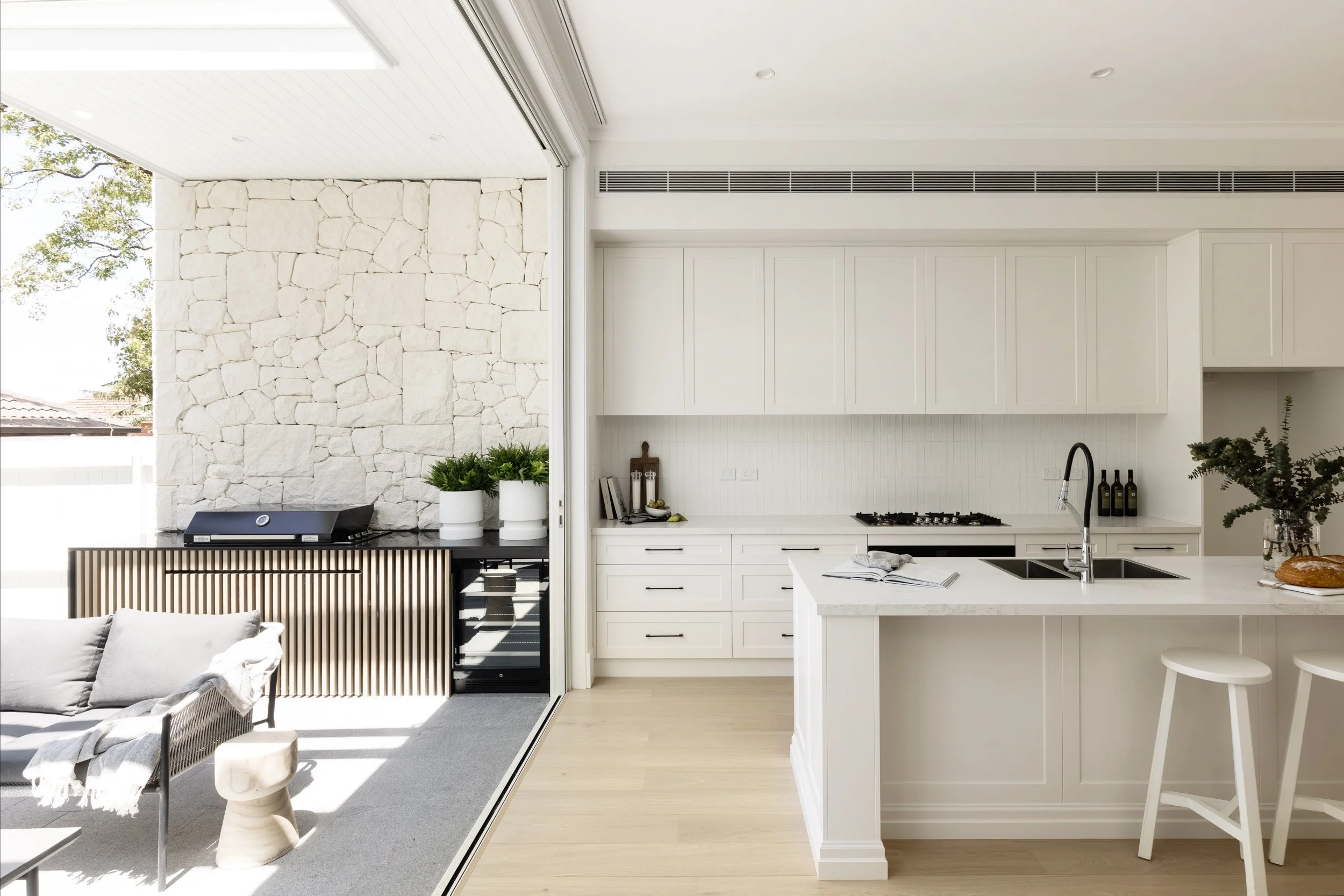
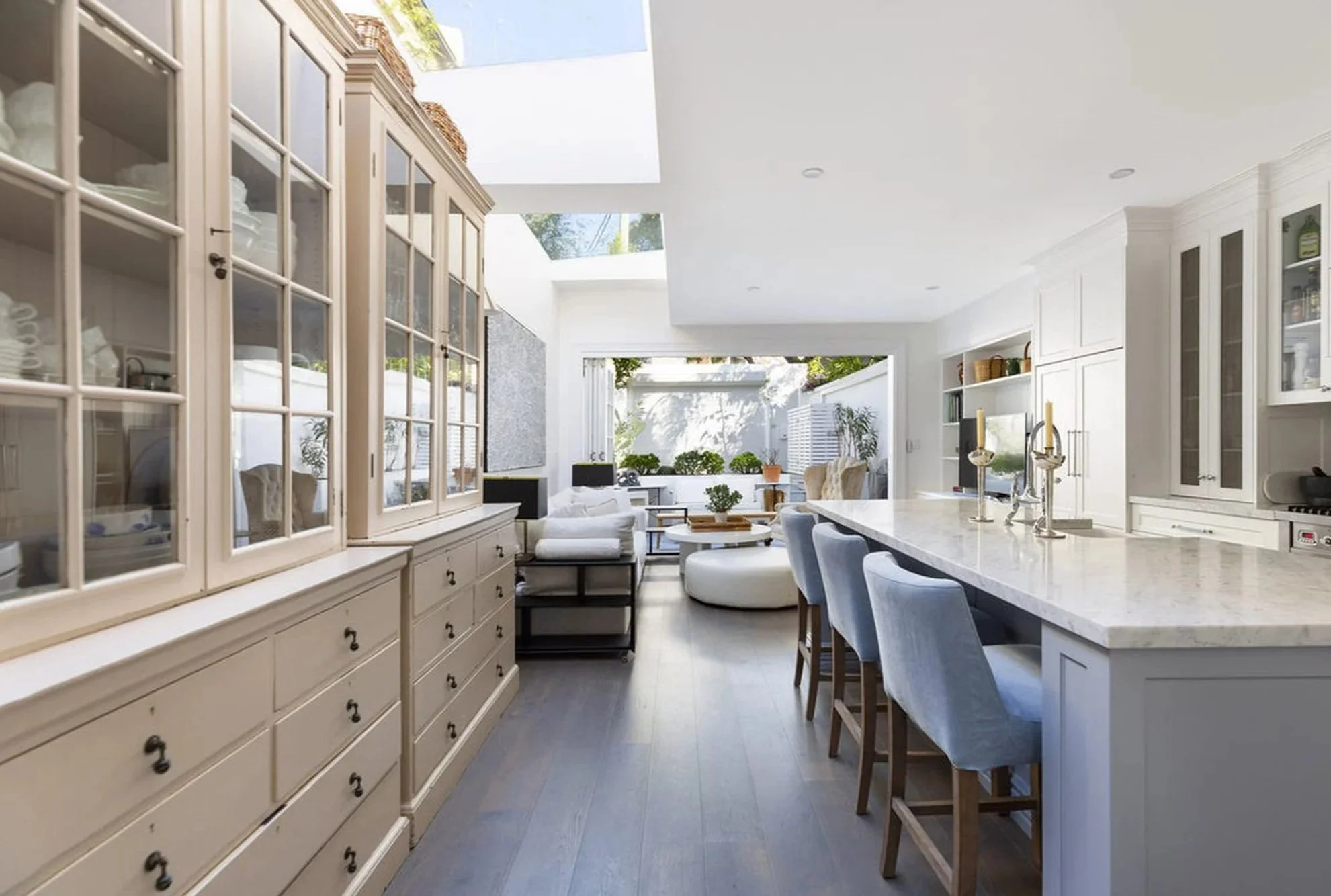
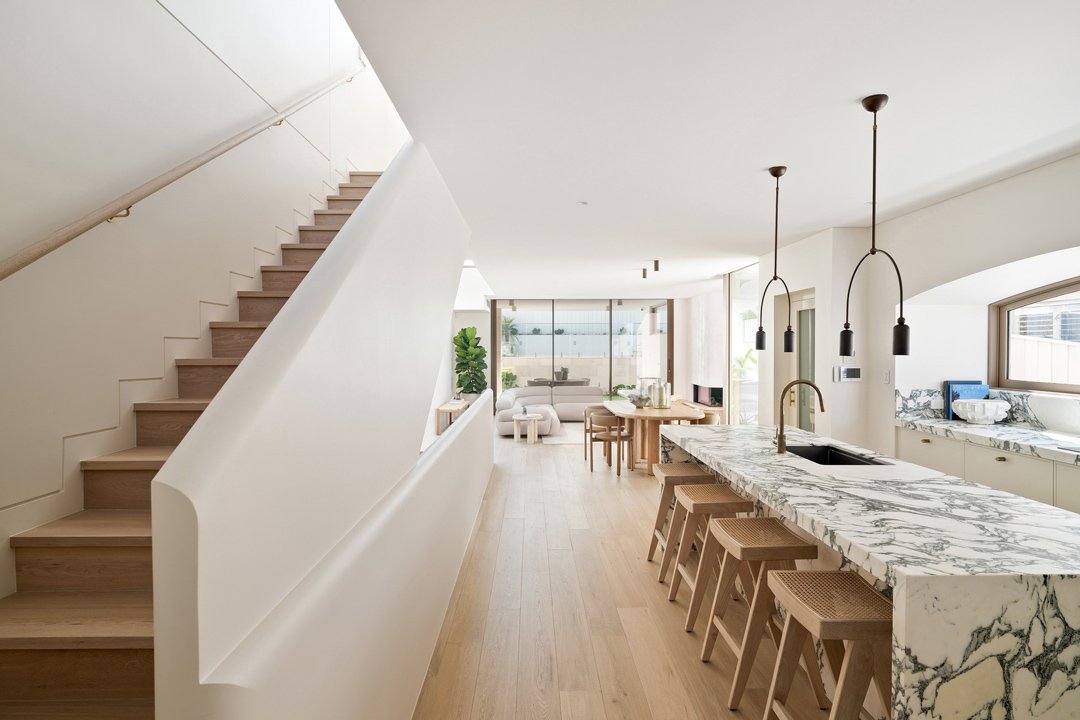
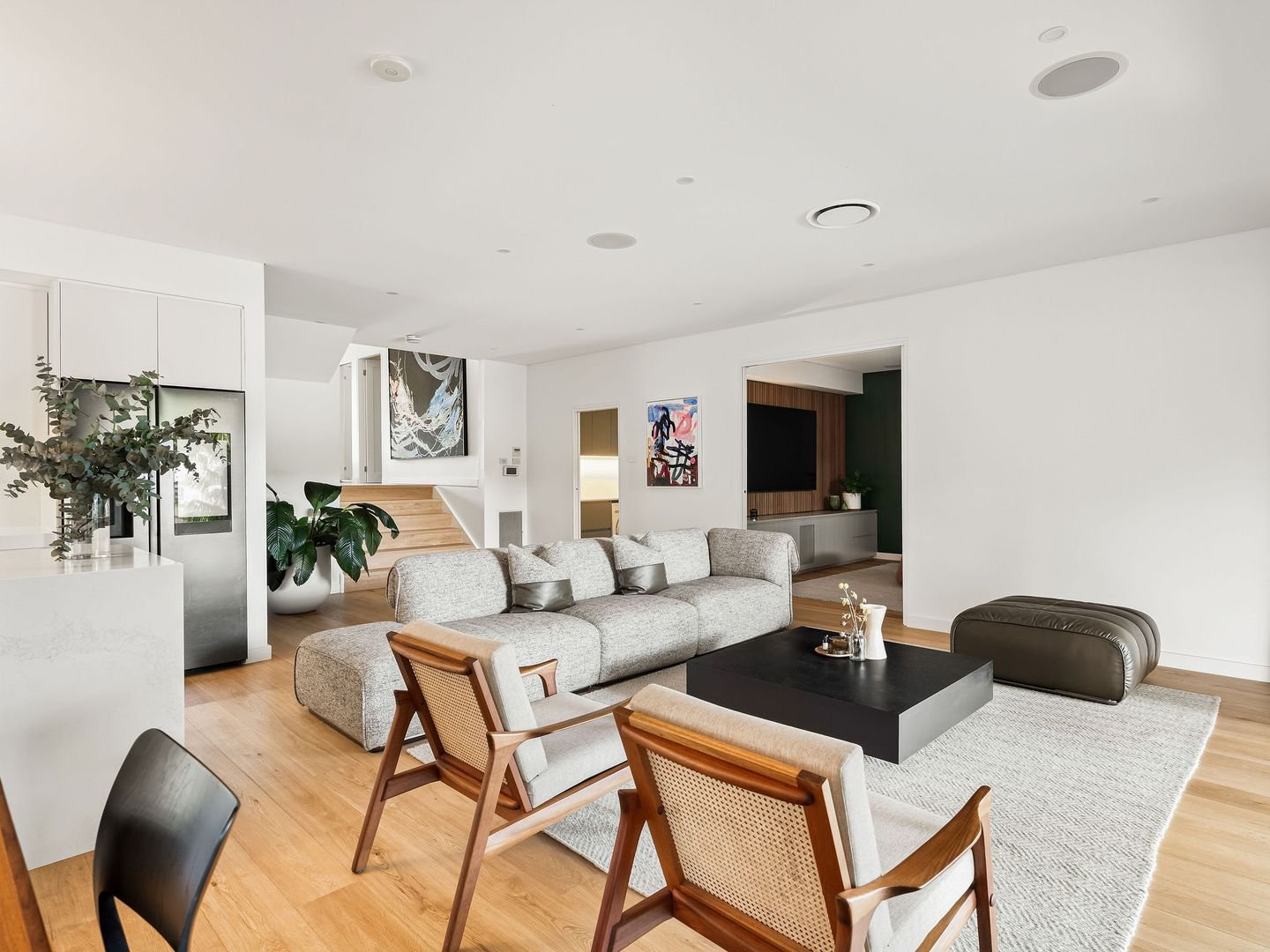
Engineered Timber Flooring Project
Engineered timber flooring is made with a real timber surface layer on top of a stable engineered core. For example, engineered oak flooring has a genuine oak surface, giving the floor natural oak grain, texture, and colour variation.
Because the top layer is real timber, each plank has its own unique character. It offers the warmth, depth, and authentic appearance of natural wood, while providing better stability than traditional solid timber flooring.
Engineered timber flooring is commonly used in luxury apartments, family homes, and architect designed spaces where a refined and timeless finish is important.
What Is Hybrid Flooring?
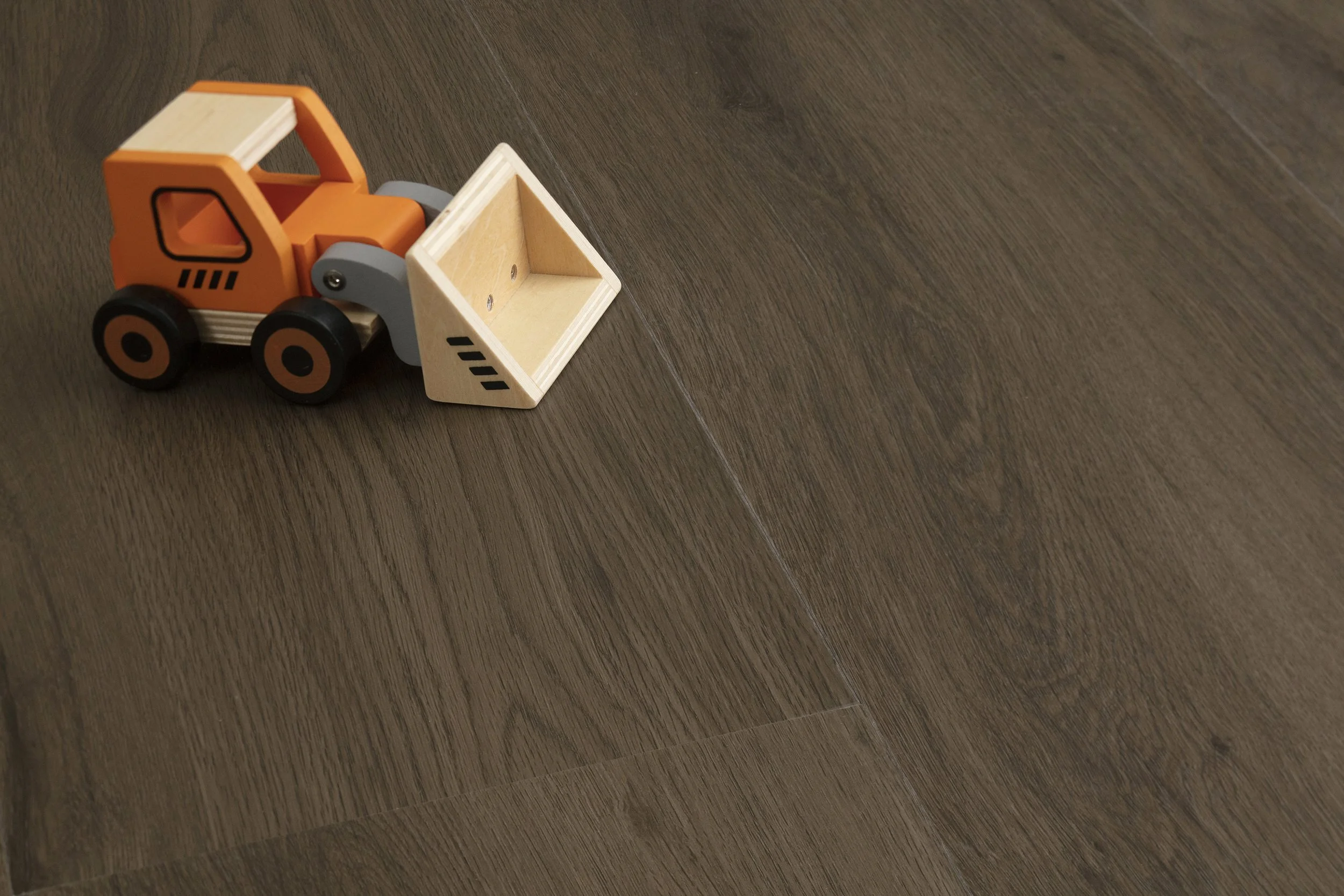
Hybrid flooring is a multi-layered flooring product designed for waterproof performance, durability, and easy maintenance. It usually includes a protective wear layer, a printed decorative layer, a rigid core, and a backing layer for support and comfort.
The main benefits of hybrid flooring are that it is waterproof, easy to clean, relatively simple to install, and usually more affordable than real timber. It is often used in busy households, rental properties, commercial spaces, and projects where practicality and budget are key priorities.
Appearance and Design
One of the biggest differences between engineered timber flooring and hybrid flooring is appearance.
Engineered timber flooring has a real timber surface, so the grain, knots, colour tones, and texture are naturally formed. No 2 boards are exactly the same, which gives the floor a warm, authentic, and premium look.
Hybrid flooring uses a printed decorative layer to imitate timber, stone, or tile. Many high quality hybrid floors can look modern and attractive, but they do not have the same natural depth, variation, or luxury feel as real timber. Because the design is printed, patterns may also repeat across boards.
For high end interiors, engineered timber flooring usually creates a more refined and timeless result. It pairs beautifully with stone benchtops, custom joinery, designer furniture, and architectural details.
Material and Feel
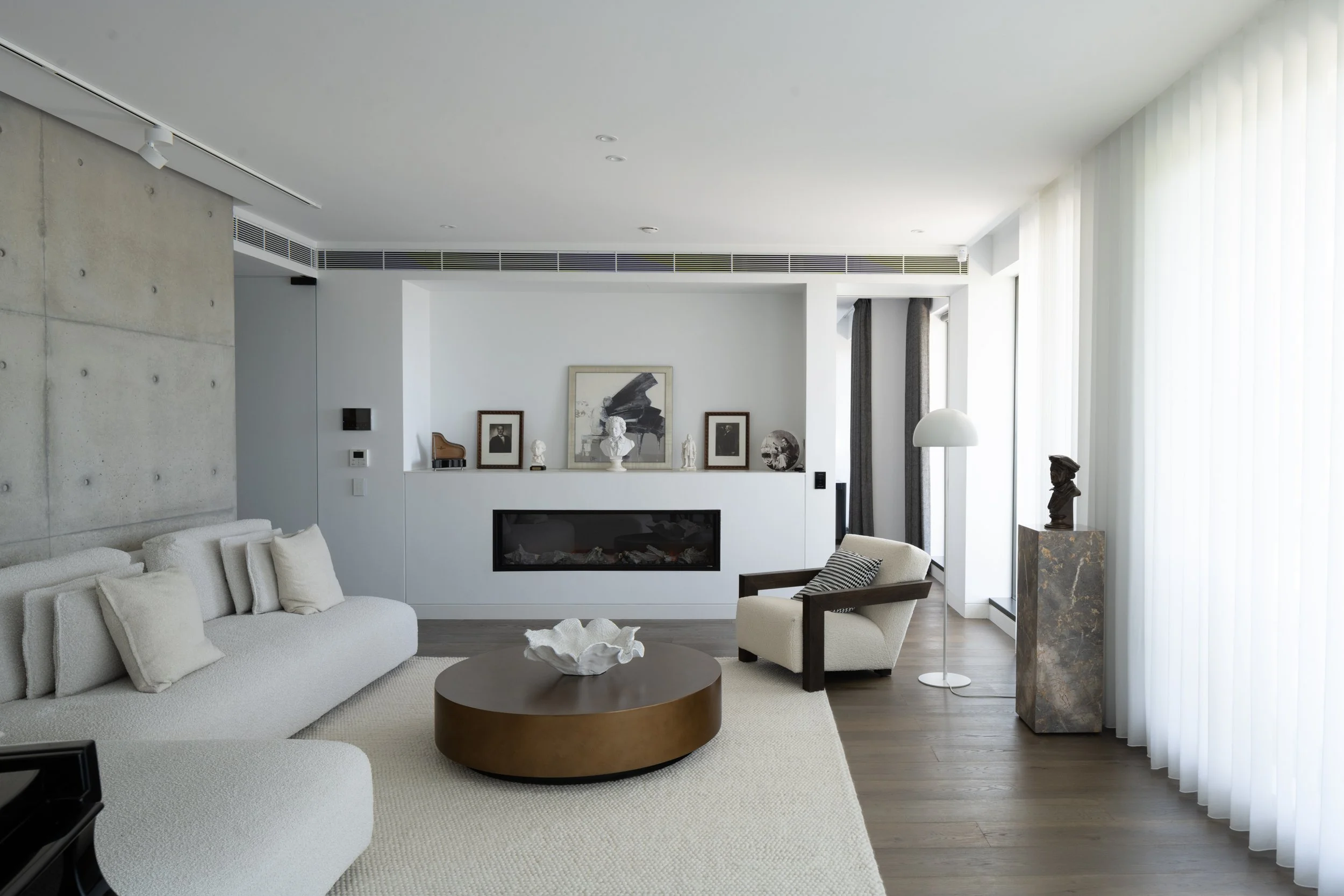
Engineered timber flooring is made with real timber, so it feels warmer and more natural underfoot. It brings an organic texture into the home and creates a more premium atmosphere.
Hybrid flooring is made from synthetic and composite materials. It is practical and stable, but depending on the product, it may feel harder or less natural than timber.
For homeowners who care about the overall feeling of the space, engineered timber flooring often delivers a more luxurious and comfortable result.
Durability and Practicality
Both engineered timber flooring and hybrid flooring can be durable, but they are designed for different priorities.
Hybrid flooring is waterproof, scratch resistant, stain resistant, and easy to clean. This makes it a practical choice for busy households, homes with children or pets, rental properties, and areas where spills or moisture may be common.
Engineered timber flooring is also strong and long lasting when properly installed and maintained. However, because it has a real timber surface, it requires more care. Homeowners should avoid excess water, dragging heavy furniture, sharp objects, and harsh cleaning products.
If your priority is natural beauty and long term design value, engineered timber flooring is usually the stronger choice. If your priority is waterproof performance and easy maintenance, hybrid flooring may be more suitable.
Maintenance
Hybrid flooring is generally easier to maintain. Regular sweeping, vacuuming, and damp mopping are usually enough for daily cleaning.
Engineered timber flooring also requires regular cleaning, but it should be treated with more care. Spills and excess water should be cleaned promptly, furniture pads should be used, and dirt or grit should be removed regularly to reduce scratching.
Hybrid flooring is better for households that want a low maintenance floor. Engineered timber flooring is better for homeowners who want a premium natural finish and are happy to care for it properly.
Cost and Long-Term Value
Hybrid flooring is usually more affordable than engineered timber flooring. This makes it attractive for budget conscious renovations, investment properties, and rental homes.
Engineered timber flooring is typically more expensive because it uses real timber and offers a more premium finish. The final cost can depend on the timber species, board size, wear layer, finish, installation method, subfloor preparation, and project complexity.
Although engineered timber costs more upfront, it can add stronger visual appeal and luxury value to a home. For premium Sydney homes, real timber flooring often creates a more timeless and desirable result.
Which Flooring Should You Choose?
Both flooring options have their advantages. The right choice depends on your lifestyle, budget, and design goals.
Choose engineered timber flooring if you want a premium, natural, and timeless floor that enhances the look and feel of your home.
Choose hybrid flooring if you want a waterproof, practical, low maintenance, and more affordable flooring option.
For luxury homes and high end renovations, engineered timber flooring is usually the preferred choice. For busy households, rental properties, and projects where waterproof performance is the main priority, hybrid flooring can be a smart and practical solution.